In short: cavitation happens when the pressure inside a control valve falls below the liquid’s vapor pressure and the vapor bubbles collapse on the metal. The fix is a valve sized for the pressure drop, with staged trim and hard materials. BTGC supplies Motoyama Eng. Works, Ltd. severe service valves from Dammam, Jubail and Yanbu, and repairs valves in Jubail.
Control valve cavitation is one of the most common reasons a liquid control valve fails early. It shows up as noise, vibration and a damaged plug and seat, often within months of start-up. This guide explains what causes it, how to recognise it, and which valve designs stop it in refineries, petrochemical plants and utilities across the Kingdom.
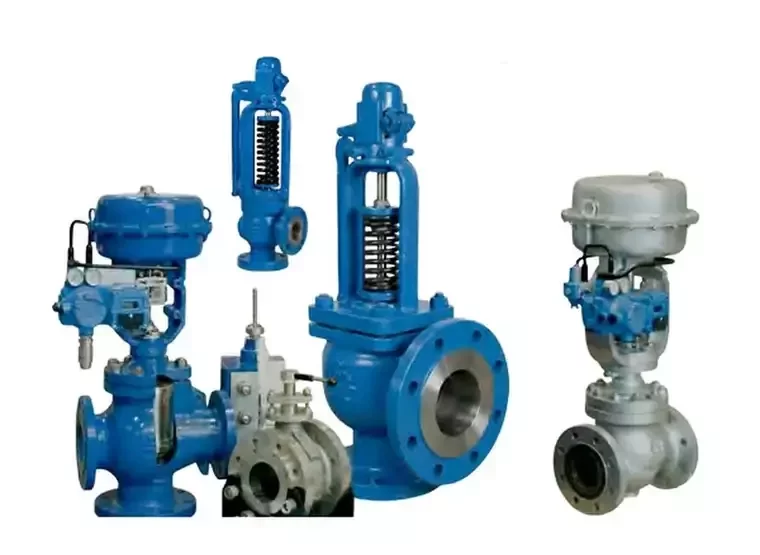
What causes control valve cavitation
A control valve reduces pressure by forcing liquid through a narrow opening. At that point the liquid speeds up and its pressure falls sharply. If the pressure falls below the liquid's vapor pressure, vapor bubbles form. Downstream of the opening the pressure recovers, and the bubbles collapse against the metal.
Each collapse is small. Millions of them erode the plug, the seat and the valve body. The higher the pressure drop across the valve, the more severe the damage.
Cavitation is different from flashing. In flashing, the outlet pressure stays below the vapor pressure, so the bubbles do not collapse and the liquid leaves the valve partly as vapor. The two problems need different fixes, so it matters which one you have.
How to recognise it in the plant
Maintenance teams usually notice cavitation before they measure it. The common signs are:
- A noise like gravel passing through the pipe
- Vibration in the valve and the downstream piping
- A rough, pitted surface on the plug and seat when the valve is opened
- Unstable control at low valve openings
- Leakage through the seat soon after a repair
The services where it appears most often are those with a high pressure drop in liquid:
| Service | Why the risk is high |
|---|---|
| Pump minimum-flow recirculation | Full pump pressure is dropped back to suction pressure |
| Boiler feedwater control | Hot water sits close to its vapor pressure |
| Water injection and seawater letdown | Large pressure drops at high flow |
| Liquid letdown in refining units | High differential pressure across one valve |
How to stop it
The lasting fix is to choose a valve built for the pressure drop, not to keep replacing trim.
- Stage the pressure drop. Multi-stage and cage-guided trims take the drop in several small steps, so the pressure never falls below the vapor pressure.
- Choose harder trim materials. Hardened trim resists the erosion that remains.
- Check the sizing. An oversized valve works almost closed, where cavitation is worst.
- Review the installation. More back-pressure downstream, or two valves in series, lowers the drop across each one.
Valve sizing and noise prediction follow IEC 60534, the international standard for industrial control valves. Ask for the sizing calculation with every offer.
Motoyama control valves for severe service
Motoyama Eng. Works, Ltd. of Japan builds globe control valves for exactly this duty. The range that BTGC supplies in the Kingdom includes:
- Heavy-duty globe control valves, cage-guided and top-guided, for precise throttling in severe service
- Trim designed to prevent cavitation at the high pressure drops found in hydrocracking and fractionation units
- Bellows seal valves for toxic and lethal media
- Cryogenic valves with extended bonnets for service down to -196 °C
- Safety relief valves for over-pressure protection
See the full range on our page for Motoyama control valves in Saudi Arabia, or browse all industrial valves for Saudi plants.
BTGC support in Dammam, Jubail and Yanbu
BTGC has served Saudi industry since 1996 and is the Motoyama Eng. Works, Ltd. partner in the Kingdom. We support oil and gas plants, petrochemical complexes and utilities from three branches, in Dammam, Jubail and Yanbu.
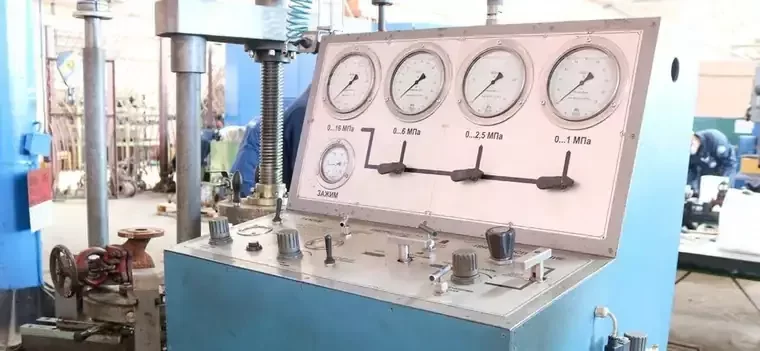
Our service center in Jubail carries out valve testing and repair in Jubail, including inspection, seat machining and pressure testing. The same center is the WEG approved service center in Saudi Arabia and offers full electric motor services: rewinding, overhaul, dynamic balancing and load testing. If a valve is already damaged, we can inspect it, report the cause and offer either a repair or a replacement.
To size a replacement valve, send us:
- The fluid, and its temperature and vapor pressure
- Inlet and outlet pressure at minimum, normal and maximum flow
- Line size and pressure rating
- The existing valve datasheet or tag number
- A short description of the problem
Questions buyers ask
Contact the BTGC valve team
Email valves@btc-ksa.com or call +966 13 856 0528. Branches: Dammam, Jubail and Yanbu. Request a quote and attach your datasheet.