In short: a cryogenic valve is not a standard valve with a longer stem. At -162 °C for LNG or -104 °C for ethylene, the body material, the extended bonnet, the seat and the packing all have to be chosen for the cold. BTGC supplies Motoyama Eng. Works cryogenic globe, gate and control valves to Saudi LNG, ethylene and air separation plants, with stock and testing in Jubail.
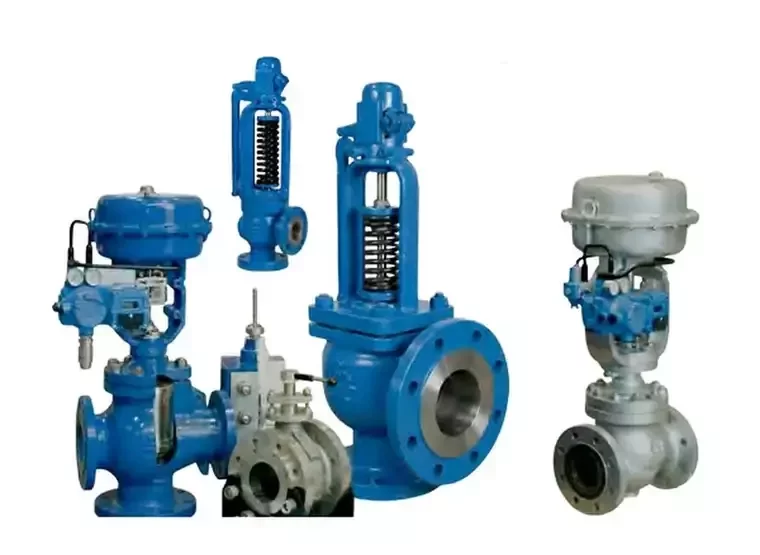
Saudi Arabia handles more cold hydrocarbons every year: ethylene and propylene storage in Jubail and Yanbu, LNG for the Jafurah gas programme, liquid nitrogen and oxygen from air separation units, and refrigerated ammonia at the fertiliser plants. All of these need valves that seal, stroke and survive at temperatures where ordinary carbon steel is brittle and ordinary elastomers are glass.
What changes at cryogenic temperature
Four things go wrong when a warm-service valve is put into cold service:
| Problem | What happens | Cryogenic design answer |
|---|---|---|
| Brittle fracture | Carbon and low-alloy steels lose toughness below about -46 °C | Austenitic stainless (CF8M, F316) or bronze bodies, impact tested at service temperature |
| Packing freezes | Ice forms in the stuffing box and the stem seizes or leaks | Extended bonnet that keeps the packing in a gas column above 0 °C |
| Seat leakage | Metal and soft seats contract at different rates | PCTFE or lip-seal soft seats, or lapped metal seats, tested with liquid nitrogen |
| Trapped liquid | Liquid caught in the body cavity vaporises and over-pressures the valve | Cavity relief hole on the upstream side of gate and ball valves |
The standards that govern this are BS 6364 and ISO 28921 for cryogenic valve testing, and ASME B31.3 for the piping. A buyer who asks for "stainless steel valves" without naming the test gets a warm-service valve in a cold-service material.
The extended bonnet
The extended bonnet is the signature of a cryogenic valve. It raises the gland far enough above the pipe that the fluid in the bonnet neck is gas, not liquid, and the packing stays above freezing. Motoyama sizes the extension to the service temperature and the insulation thickness, and the valve must be installed with the stem no more than 45 degrees from vertical so the gas column stays in place. Installing a cryogenic globe valve horizontally undoes the design.
Control valves in cold service
Cold service control valves have the same trim choices as warm ones: cavitation and noise are still the limiting factors on letdown and anti-surge duties. Motoyama combines its multi-stage severe service trims with the cryogenic bonnet, so an LNG boil-off compressor anti-surge valve or an ethylene letdown valve gets both the right trim and the right bonnet. Positioners and actuators sit outside the cold zone and use standard instrument air, but the stem seal and the live-loaded packing have to be specified for the temperature cycling that happens every time the line is warmed up for maintenance.
Where Saudi plants use them
Ethylene and propylene storage at Jubail and Yanbu: tank isolation, pump suction and recirculation, letdown and vapour return lines.
LNG and gas processing: boil-off gas handling, loading lines, cold box isolation.
Air separation units feeding steel, glass and chemical plants: liquid oxygen, nitrogen and argon service, where oxygen cleaning is required as well.
Refrigerated ammonia at fertiliser and urea plants: moderate cold, but still outside the carbon steel range.
Motoyama Eng. Works from BTGC
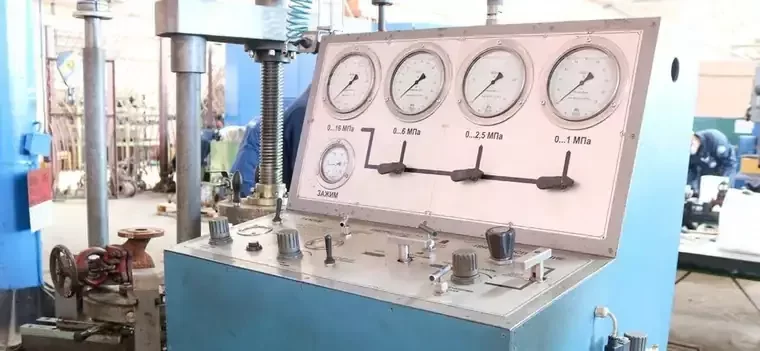
Motoyama Eng. Works, Ltd. has built control and severe service valves in Japan since 1914, and its cryogenic range covers globe, gate, check and control valves from 1/2 in to 24 in, Class 150 to 900, in stainless steel and bronze. Every cryogenic valve is tested in liquid nitrogen before shipment. BTGC is the Motoyama partner in Saudi Arabia: we specify the valve with the plant, hold trims and packing sets in Jubail and handle warm-service testing and repair at the BTGC service center. See the full flow control and valves offer and the petrochemical sector page.
Specifying a cryogenic valve: the checklist
Minimum design temperature and the fluid (LNG, ethylene, LOX, ammonia).
Body material and impact test temperature.
Bonnet extension length for the insulation thickness.
Seat type and allowable leakage rate at temperature (BS 6364 or ISO 28921).
Cavity relief direction and flow arrow.
Oxygen cleaning and certification where oxygen is present.
Fire-safe and fugitive emission requirements (API 607, ISO 15848).
Questions buyers ask
Can an existing stainless globe valve be converted? Usually not. The bonnet, packing and seats are different parts and the body may lack the impact test; a purpose-built cryogenic valve costs less than a failed conversion.
What delivery time should we plan? Standard cryogenic sizes ship in 10 to 14 weeks from Japan; BTGC consolidates through its Japan hub and holds common trims in Jubail for repairs.
Does BTGC test cryogenic valves locally? Warm hydrostatic and seat tests, yes, at the service center in Jubail; liquid nitrogen testing is done at the factory with witness points for the client.
Contact the BTGC valve team
Email valves@btc-ksa.com or call +966 13 856 0528. Branches: Dammam, Jubail and Yanbu. Request a quote.