In short: a plate exchanger wins on size, efficiency and cleaning for liquid-to-liquid duties; shell and tube wins on pressure, temperature and dirty or phase-change service; an air fin cooler wins where water is scarce. BTGC supplies all three from Kelvion.
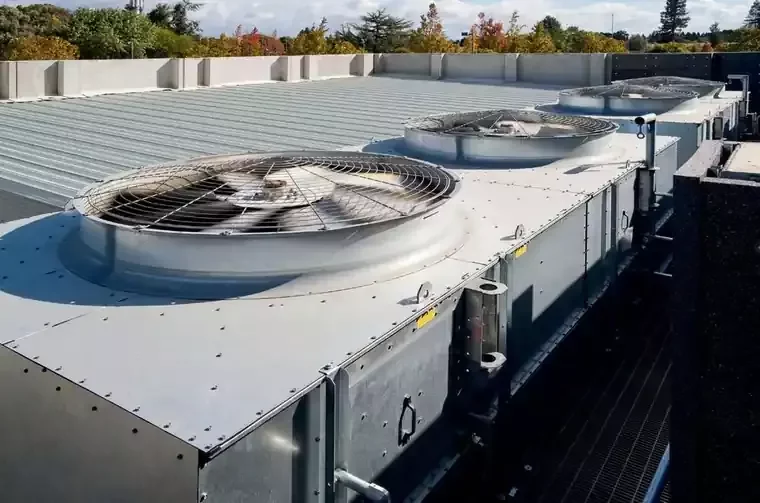
Heat transfer sets plant profitability. An exchanger that fouls, leaks or under-performs costs energy every hour and production at every cleaning. The choice between the three main types is made at the specification stage, and it is worth getting right.
The three types compared
| Gasketed plate | Shell and tube | Air fin cooler | |
|---|---|---|---|
| Best duty | Liquid to liquid, close temperature approach | High pressure, high temperature, condensing and boiling | Cooling where water is scarce or costly |
| Pressure and temperature | Limited by gaskets | Highest | Process side only |
| Footprint | Smallest | Large | Large, often on a pipe rack |
| Cleaning | Open and clean plates by hand | Rodding or chemical cleaning | Fin cleaning |
| Fouling fluids | Only with wide-gap plates | Good, with the dirty fluid on the tube side | Air side fouls with dust |
| Capacity change | Add plates | New bundle or unit | Add bays |
Saudi conditions change the answer
Seawater cooling. Titanium plates or tubes resist Gulf seawater; the plate exchanger's small size suits coastal plants.
Scarce water inland. Air fin coolers remove the water requirement, at the price of a larger footprint and lower performance on the hottest afternoons.
High ambient. An air cooler sized for 40 °C under-performs at 50 °C; state the design ambient in the enquiry.
Dust. Air-side fouling needs a cleaning schedule and, on critical units, a wash system.
Kelvion from BTGC
Kelvion Holding GmbH of Germany, formerly GEA Heat Exchangers, offers one of the world's largest portfolios of heat transfer technology. The range BTGC supplies in the Kingdom covers:
Gasketed, brazed and fully welded plate heat exchangers
Air fin coolers for refineries and gas plants where water is scarce
Shell and tube exchangers for high-pressure and critical process duties
Applications in the BTGC catalogue are oil and gas processing, power plant condensers and marine cooling. See our page for Kelvion in Saudi Arabia and the full thermal management and cooling offer.
Spares and retubing
Most heat exchanger enquiries BTGC receives are for plates, gaskets, tube bundles and retubing rather than new units. BTGC supplies genuine plates and gaskets, and manages bundle replacement as a turnaround package with pre-shutdown inspection and kitting by tag number.
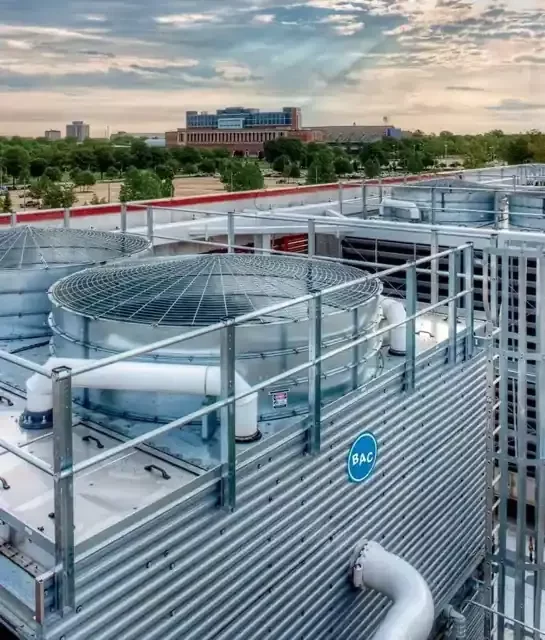
BTGC support in Dammam, Jubail and Yanbu
BTGC supports petrochemical and oil and gas plants from three branches. For a quotation send the duty: both fluids, flow rates, inlet and outlet temperatures, allowable pressure drops, design pressure and temperature, and the fouling allowance.
Questions buyers ask
Can a plate exchanger replace a shell and tube unit? Often, for liquid-to-liquid duty within the gasket limits, and it saves space and energy. Not for high-pressure or condensing duty.
What about Hemaco for shell and tube? BTGC also supplies Hemaco engineered TEMA exchangers, built to order in carbon steel, stainless and exotic alloys.
How fast are plates and gaskets available? Common sizes are stocked or on short lead time; send the plate pattern and gasket material.
Contact BTGC
Email info@btc-ksa.com or call +966 13 856 0528. Branches: Dammam, Jubail and Yanbu. Request a quote.