In short: water transmission and distribution networks depend on a small set of valve types: butterfly valves for large-diameter isolation and control, resilient-seated gate valves for distribution mains, air release and vacuum valves at high points, check valves at pump stations, and fire hydrants. Each has a standard behind it, such as AWWA C504 for butterfly valves and AWWA C509 or EN 1171 for gate valves. Choosing the right type and coating, and exercising valves regularly, keeps networks reliable. BTGC supplies AVK and AVK SVMC water valves and hydrants.
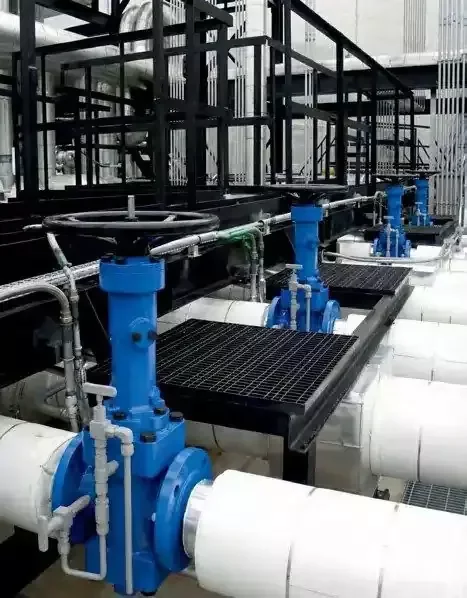
The Kingdom moves desalinated water hundreds of kilometres from coastal plants to inland cities through large transmission lines, then distributes it through city networks run by utilities such as the National Water Company. Valves on these lines must work after years without operation and resist corrosion from the soil, the water and the heat.
Main valve types and their jobs
| Valve | Typical use | Common standard |
|---|---|---|
| Butterfly valve | Isolation and flow control on large transmission mains and pump stations | AWWA C504, EN 593 |
| Resilient-seated gate valve | Isolation on distribution mains and service branches | AWWA C509 / C515, EN 1171 |
| Air release and vacuum valve | Removes trapped air at high points and admits air on draining to prevent collapse | AWWA C512 |
| Check valve | Prevents reverse flow at pump discharges | AWWA C508, EN 12334 |
| Fire hydrant | Firefighting water supply on distribution networks | AWWA C502 / C503, EN 14384 |
Selection points
Pressure rating matched to the system including surge; transmission lines need a surge study.
Fusion-bonded epoxy coating inside and out, with drinking water approval for potable lines.
Stainless steel or coated stems and bolting for buried valves; extension spindles and surface boxes for access.
Gearboxes sized so a single operator can open the valve; actuators where remote control is needed.
Air valves at every high point and long rising section; wrong sizing causes air locks and surge.
Maintenance that prevents failures
Exercise isolating valves on a schedule, counting turns, so they work when a break must be isolated.
Inspect and clean air valves; blocked air valves are a common cause of pipe bursts during filling.
Flush and test hydrants, checking outlet caps, drain valves and visibility markings.
Record valve positions and conditions in the network GIS so crews can find them fast.
Plan replacement of leaking or seized valves during scheduled shutdowns.
AVK from BTGC
AVK of Denmark makes valves, hydrants and fittings for water, wastewater, gas and fire protection; AVK SVMC manufactures valves and hydrants in the Kingdom. BTGC is the AVK partner in Saudi Arabia. See also Saudi-made valves and local content, seawater butterfly valves and the power and utilities sector page.
Questions buyers ask
Gate valve or butterfly valve for a distribution main? Resilient-seated gate valves are common up to medium sizes; butterfly valves are lighter and cheaper in large diameters.
Why do air valves matter so much? Trapped air reduces capacity and causes surges; vacuum during draining can collapse pipes. Air valves protect against both.
Does BTGC supply Saudi-made hydrants? Yes, through AVK SVMC, with local stock and support.
Contact the BTGC valve team
Email valves@btc-ksa.com or call +966 13 856 0528. Branches: Dammam, Jubail and Yanbu. Request a quote.