In short: drill cuttings leaving the shakers still carry 10 to 20 per cent drilling fluid by weight. A vertical cuttings dryer spins that fluid out, cuts the waste volume, recovers oil-based mud worth thousands of dollars a day and keeps the operator inside its discharge limits. BTGC supplies Elgin Separation Solutions cuttings dryers, decanter centrifuges and shakers for Saudi drilling contractors and waste management companies.
Saudi Arabia runs one of the largest onshore and offshore rig fleets in the world, and the unconventional gas programme adds long horizontal wells drilled with oil-based mud. Every metre drilled produces cuttings, and every tonne of cuttings that leaves the rig wet costs money twice: once as lost drilling fluid and again as waste to be hauled, treated and disposed of under the environmental rules.
What a vertical cuttings dryer does
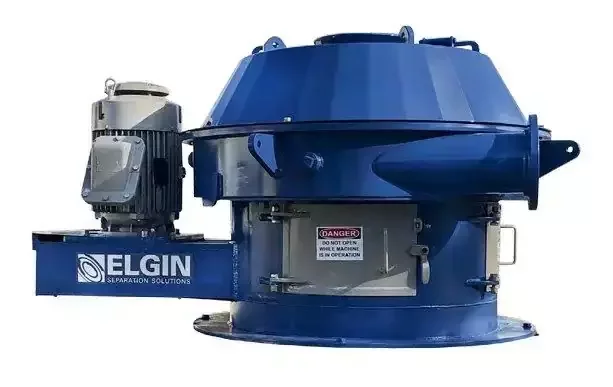
The dryer is a high-speed vertical centrifuge. Cuttings from the shakers drop into a rotating conical basket lined with a screen; centrifugal force pushes the liquid through the screen while a scroll turning slightly slower than the basket moves the solids down and out of the discharge. The recovered fluid goes to a decanter centrifuge to remove the fine solids, and then back to the active mud system.
| Before the dryer | After the dryer |
|---|---|
| Cuttings at 10 to 20 per cent oil on cuttings | Typically 3 to 6 per cent, often below the local discharge or landfill limit |
| Fluid lost with the waste | Fluid recovered and returned to the mud system |
| Full skips hauled off site | Drier, lighter cuttings, fewer truck movements |
The complete fluid recovery package
Shale shakers with the right screen selection remove the coarse solids first; a dryer fed with poorly screened cuttings wears quickly.
Vertical cuttings dryer with a screen basket sized for the mud weight and cuttings type.
Decanter centrifuges: a high-speed unit polishes the dryer effluent, and a barite recovery unit can run on the active system.
Augers, pumps and tanks to move cuttings and fluid between units on a crowded rig site.
Control and monitoring: variable frequency drives on the centrifuges so the operator can tune the cut point as the well changes.
Running the system in the desert
Heat, sand and remote locations shape the equipment. Motors and VFDs are rated for 50 °C ambient and dust; screens and scroll tiles are tungsten carbide for long life between changes; and the whole package is skid-mounted and containerised so it can move with the rig. Elgin's units are built for this kind of service, and BTGC's support from Dammam and the service center in Jubail covers screen baskets, scroll rebuilds, bearings and dynamic balancing of centrifuge rotating assemblies.
Beyond drilling
The same decanters and dewatering units serve the mining and water sectors: tailings dewatering at phosphate and gold operations, sludge dewatering at industrial waste water plants, and the passive intake screens covered in the earlier article on seawater intake protection.
Elgin Separation Solutions from BTGC
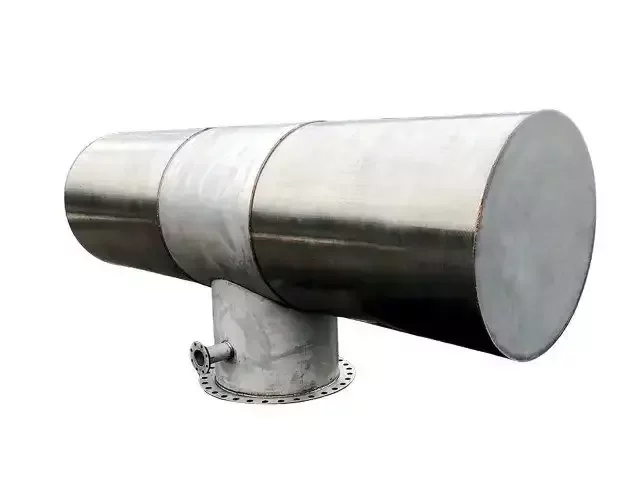
Elgin Separation Solutions, USA, builds solids control and solid-liquid separation equipment for drilling, mining, water and industrial markets. BTGC is the Elgin partner in Saudi Arabia, supplying equipment, screens and spares and supporting centrifuge overhaul from Jubail. See the drilling and rig solutions page and the oil and gas sector page.
Questions buyers ask
What capacity does a dryer handle? Typical units process 40 to 60 tonnes of cuttings per hour, enough for one fast-drilling rig; BTGC sizes the unit from the expected rate of penetration and hole size.
Can the dryer run on water-based mud? Yes, with adjusted screen and speed settings, although the economics are strongest on oil-based and synthetic muds.
What should an enquiry include? Mud type and weight, hole sizes, expected rate of penetration, the discharge or disposal limit and the space available on the rig site.
Contact BTGC
Email info@btc-ksa.com or call +966 13 856 0528. Branches: Dammam, Jubail and Yanbu. Request a quote.