In short: a wedge gate valve that closed easily can refuse to open hours later, even with a large actuator. Two mechanisms cause it: pressure locking, where fluid trapped in the bonnet cavity is heated or held at high pressure and pushes both seats against the wedge, and thermal binding, where a valve closed hot shrinks onto its wedge as it cools. Both are well understood and preventable. BTGC supplies Okano Valve gate valves for Saudi power and process plants and advises on the right design and procedures.
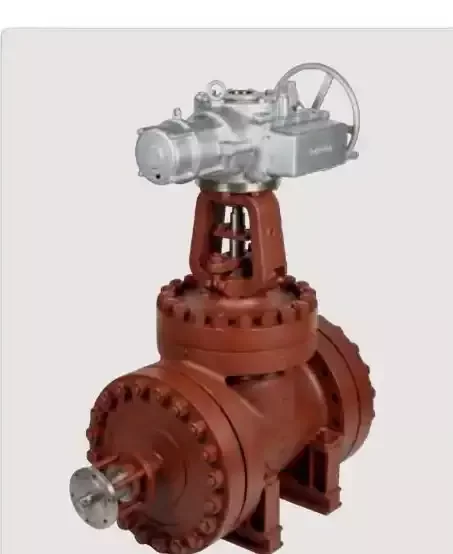
Operators in combined cycle and cogeneration plants know the symptom: a motor-operated isolation valve on a steam or feedwater line trips on torque when commanded to open after a shutdown, or a manual valve needs a valve wrench and two people. Forcing it damages the stem, yoke or seats, and on a critical line it can mean the valve does not open when the process needs it. The US Nuclear Regulatory Commission studied the problem in detail in the 1990s in Generic Letter 95-07, and the lessons apply equally to fossil power and petrochemical plants.
Pressure locking
In a flexible wedge, split wedge or double disc gate valve, the closed valve traps fluid in the bonnet cavity between the two seats. If that trapped fluid is heated, for example by adjacent hot piping, by steam passing a seat or by a plant warm-up, its pressure can rise far above line pressure, because liquid is almost incompressible and a modest temperature rise causes a large pressure rise. The bonnet pressure then pushes both discs outward against their seats, and the actuator must overcome that extra force on both faces to lift the wedge. A similar lock occurs when line pressure is released quickly on one or both sides while the bonnet stays at high pressure.
Thermal binding
A wedge gate valve closed while hot cools with the system. The body and seats contract around the wedge at a different rate from the wedge itself, and the wedge is gripped. The unseating force can then exceed the actuator rating. Thermal binding is most common on valves that are closed at high temperature and left to cool before being reopened, such as boiler isolation and turbine drain valves.
| Pressure locking | Thermal binding | |
|---|---|---|
| Cause | Trapped bonnet pressure higher than line pressure | Body and seats shrink onto the wedge during cool-down |
| Valve types at risk | Flexible and split wedge, double disc | Solid and flexible wedge |
| Typical trigger | Heat-up of a closed valve, rapid depressurisation of the line | Valve closed hot, reopened cold |
| Typical fixes | Bonnet vent or equalising line, drilled upstream disc, cavity relief | Parallel slide or flexible wedge design, torque limits at closure, opening before full cool-down |
Design solutions
Upstream disc hole. A small hole through the upstream disc connects the bonnet cavity to the upstream pipe, so the cavity can never exceed upstream pressure. The valve then seals in one direction only and must be installed and marked accordingly.
Bonnet equalising line. An external pipe with an isolation valve from the bonnet to the upstream side does the same job and can be closed for testing.
Cavity relief. A small relief valve on the bonnet vents excess cavity pressure.
Parallel slide or flexible wedge. Designs that seal by line pressure rather than by wedging force are far less prone to thermal binding.
Actuator margin. Motor-operated valves in at-risk service are sized for the unseating thrust under the worst credible cavity pressure, not just the normal differential.
Operating practices
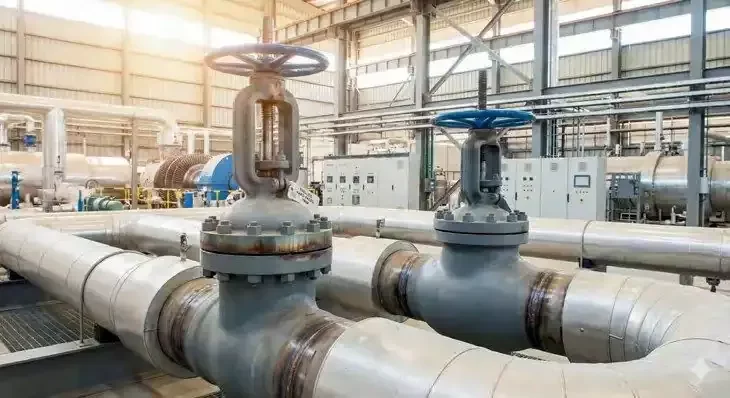
Crack open isolation valves on lines that will be heated up, or open the bypass before warm-up, so the cavity is not sealed while it heats.
For valves closed hot, set torque or thrust limits so the wedge is not driven in harder than needed, and reopen before full cool-down where the procedure allows.
Use the warm-up bypass on large steam valves to equalise pressure and temperature before opening the main valve, as covered in main steam isolation valves.
Record unseating torque or thrust on motor-operated valves; a rising trend is an early warning.
Okano Valve from BTGC
Okano Valve Mfg. Co. builds gate, globe and check valves, including pressure seal designs, for high-pressure and high-temperature service in power plants. BTGC is the Okano Valve partner in Saudi Arabia, supplying valves and spares and supporting repair at the Jubail service center. See also hard-faced gate valves and thermal shock, feedwater check valves and the power and utilities page.
Questions buyers ask
Can an existing valve be modified to prevent pressure locking? Often yes, by drilling the upstream disc or adding a bonnet equalising line, but the change must be engineered: it makes the valve unidirectional and must be recorded on the valve and the drawings.
Is a parallel slide valve immune? It is far less prone to thermal binding, and its cavity can still be relieved; the right design depends on the service and the operating sequence.
Can BTGC review our at-risk valves? Yes. Send the line list with valve type, service and operating sequence and BTGC will review it with the manufacturer.
Contact the BTGC valve team
Email valves@btc-ksa.com or call +966 13 856 0528. Branches: Dammam, Jubail and Yanbu. Request a quote.