In short: small drain and vent valves on high-pressure steam and feedwater systems cause a surprising share of heat loss and maintenance. They are opened under full differential pressure during start-ups and warm-ups, their seats wire-draw, and they then pass steam to the condenser or atmosphere for months. Double isolation with a dedicated throttling valve, hard-faced seats, the right valve type and good operating practice keep them tight. BTGC supplies Okano Valve high-pressure globe and gate valves for drain and vent service.
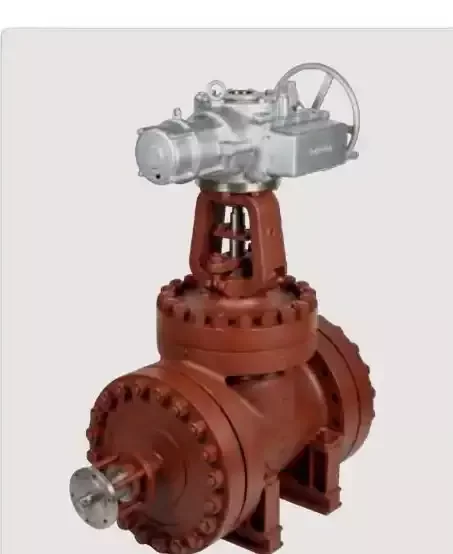
A combined cycle plant or large boiler can have hundreds of drain and vent valves: on main steam, reheat, HRSG drums and headers, turbine casings, feedwater and attemperator lines. Each one leaking a little steam to the condenser or flash tank adds up to a measurable heat rate penalty and extra condenser load, and vents leaking to atmosphere are a visible safety hazard.
Why drain valves fail
Wire drawing. When a valve is cracked open against a large pressure difference, high-velocity steam and wet steam cut grooves across the seat. Once cut, the valve does not seal again.
Operation under full differential. Drains are operated at start-up, when they see the full pressure difference and two-phase flow.
Wrong valve type. Gate valves used to throttle drains erode quickly.
Thermal cycling. Repeated heating and cooling distorts seats and loosens bonnet joints.
Debris. Scale and weld debris in new or repaired lines damage seats on the first operations.
Design solutions
| Measure | How it helps |
|---|---|
| Double isolation: a root isolation valve plus a separate throttling (sacrificial) valve | Operators throttle on the second valve, so the root valve opens and closes without flow and stays tight |
| Globe valves with hard-faced seats for throttling duty | Resist erosion and can be lapped |
| Y-pattern or angle globe valves | Smoother flow path and less erosion |
| Drain pots with steam traps or orifices for continuous drains | Remove condensate without leaving valves cracked open |
| Leak monitoring on drain lines (temperature or acoustic) | Finds passing valves before they waste months of steam |
Operating practices
Open the root valve fully first, then throttle on the downstream valve; close in the reverse order.
Never leave a gate valve partly open for drainage.
After a valve has been used to throttle, check it for passing during the next run, for example with a surface thermometer on the downstream pipe.
Blow down new or repaired lines through temporary strainers before relying on drain valves to seal.
Repair or replace?
Wire-drawn seats can often be lapped or re-machined and discs replaced; for many small forged valves, replacement is quicker. Welded-in valves are repaired in place during an outage. The BTGC service center in Jubail repairs high-pressure valves and can supply replacements built to the original face-to-face dimensions and end connections. See also pressure seal valves and hard-faced gate valves.
Okano Valve from BTGC
Okano Valve Mfg. Co. builds forged and cast gate, globe and check valves for high-pressure and high-temperature steam and feedwater service. BTGC is the Okano Valve partner in Saudi Arabia. See also main steam isolation valves and the power and utilities page.
Questions buyers ask
How can we find which drain valves are passing? Measure the pipe temperature downstream of each closed drain valve during operation, or use acoustic leak detection; a hot downstream pipe means a passing valve.
Is a gate valve acceptable as the root isolation valve? Yes, if it is only opened and closed fully without flow and a separate globe valve does the throttling.
Can drain valves be upgraded during an outage? Yes. Adding a second valve or changing to hard-faced globe valves is usually done during planned outages; BTGC can supply valves to match the existing connections.
Contact the BTGC valve team
Email valves@btc-ksa.com or call +966 13 856 0528. Branches: Dammam, Jubail and Yanbu. Request a quote.