In short: above Class 600, bolted bonnets on gate, globe and check valves become heavy and hard to keep tight through thermal cycles. Pressure seal valves turn the problem around: line pressure pushes the bonnet up against a seal ring, so the higher the pressure, the tighter the joint. They are the standard choice for high-pressure steam and feedwater in power plants, but they need specific tools and procedures to open and reseal, and they must be retightened after heat-up. BTGC supplies Okano Valve pressure seal valves and repairs them at its Jubail service center.
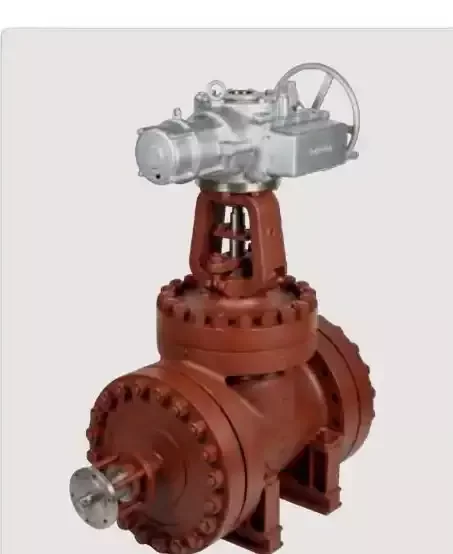
Main steam, hot and cold reheat, feedwater and boiler drain lines in combined cycle and steam plants run at pressures and temperatures where a conventional bolted bonnet would need very large bolts and a thick flange, and would still tend to relax as it heats and cools. Most valves on those lines therefore use a pressure seal bonnet.
How the joint works
The bonnet sits inside the body neck. A wedge-shaped seal ring, usually graphite or a soft metal, sits between the bonnet and the body bore. A segmented thrust ring locked into a groove in the body neck stops the bonnet moving upward. When the valve is pressurised, the pressure pushes the bonnet up, squeezing the seal ring between the bonnet, the body bore and the thrust ring. A few pull-up bolts through a yoke or retaining ring provide the initial preload so the joint seals at low pressure.
| Bolted bonnet | Pressure seal bonnet | |
|---|---|---|
| Sealing force | From bolt preload | From line pressure, plus a small preload |
| As pressure rises | Bolt load relaxes relative to pressure | Joint gets tighter |
| Weight at high pressure classes | Heavy flanges and bolts | Compact and lighter |
| Typical use | Up to about Class 600 | Class 600 to 2500 and above, high temperature |
| Maintenance | Gasket and bolt torque | Special tools to drop the bonnet and remove the segmented ring; hot retightening |
Why pressure seal joints leak
Insufficient preload at start-up. At low pressure the joint relies on the pull-up bolts; if they were not tightened correctly, the joint weeps during warm-up.
No hot retightening. Graphite seal rings settle as they heat, and most procedures require the pull-up bolts to be retightened once the line reaches temperature.
Damaged body bore. Steam cutting or corrosion in the seal area of the body neck lets steam bypass the ring.
Reused or wrong seal ring. Seal rings are single use and specific to the valve design.
Thermal shock. Rapid warm-up without the bypass can distort the joint, which is why warm-up procedures matter, as described in main steam isolation valves.
Opening and resealing a pressure seal valve
Confirm the line is isolated, depressurised and drained, and the valve is cool.
Remove the actuator or handwheel and the yoke or retaining ring, then release the pull-up bolts.
Push the bonnet down into the body to free the segmented thrust ring, and remove the segments in order.
Withdraw the bonnet and disc assembly, remove the old seal ring, and inspect the body bore and bonnet sealing faces.
Repair bore damage by machining, or by weld build-up and machining, to the maker's dimensions where needed.
Fit a new seal ring, reassemble, and tighten the pull-up bolts to the specified torque in steps.
After the line reaches operating pressure and temperature, retighten the pull-up bolts as the procedure requires.
Inspection while the valve is open
An open pressure seal valve is also the chance to inspect seats and disc for wire drawing and hard-facing cracks, check pressure locking risk on double-disc or flexible wedge designs, and renew the stem packing. See hard-faced gate valves and pressure locking and thermal binding.
Okano Valve from BTGC
Okano Valve Mfg. Co. builds gate, globe and check valves, including pressure seal designs, for high-pressure and high-temperature service in power plants. BTGC is the Okano Valve partner in Saudi Arabia, supplying valves, seal rings and spares, and the BTGC service center in Jubail repairs pressure seal valves of all makes. See also feedwater check valves and the power and utilities page.
Questions buyers ask
Can a pressure seal valve be repaired in line? Yes. Most pressure seal valves are welded in and are repaired in place; the bonnet, disc and seal ring come out through the top.
Can we reuse the seal ring? No. Seal rings are single use; fit a new ring of the correct type and size every time the joint is opened.
What spares should we hold for an outage? Seal rings, thrust ring segments if damaged, gland packing and pull-up bolts for the critical valves, ordered against the valve serial numbers.
Contact the BTGC valve team
Email valves@btc-ksa.com or call +966 13 856 0528. Branches: Dammam, Jubail and Yanbu. Request a quote.