In short: plug valves are compact quarter-turn valves with a straight flow path and a large sealing area, which makes them reliable in dirty, viscous and corrosive services. Lubricated plug valves seal with a sealant injected between plug and body and need regular lubrication; sleeved plug valves seal against a PTFE sleeve and need no sealant; lined plug valves add a full fluoropolymer lining for aggressive chemicals. BTGC supplies Xomox sleeved and lined plug valves and other Crane ChemPharma & Energy valves.
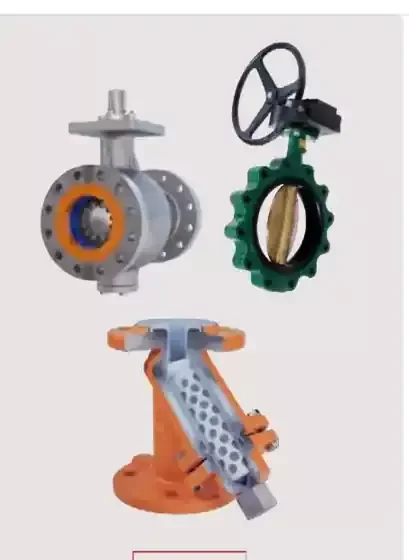
Plug valves are common in Saudi gas plants, pipelines, chemical units and utilities. Where they give trouble, the cause is usually that the wrong type was chosen for the service, or that a lubricated valve was not lubricated.
Three plug valve families
| Type | How it seals | Maintenance | Typical service |
|---|---|---|---|
| Lubricated plug (API 599 metal plug valves) | Sealant injected under pressure into grooves between plug and body | Regular sealant injection; sealant must suit the fluid and temperature | Gas transmission, hydrocarbon isolation, high-pressure service |
| Sleeved (non-lubricated) plug | Plug turns inside a PTFE sleeve held in the body | No sealant; sleeve replaced at overhaul | Chemicals, hydrocarbons, slurries, services where sealant contamination is unacceptable |
| Lined plug | Fully lined body and plug in PFA or PTFE | No sealant; lining inspection | Acids, chlorine chemistry, highly corrosive fluids |
Why sleeved plug valves are popular
The sleeve wipes the plug on every turn, so the valve tolerates solids and crystallising fluids.
There are no cavities for product to collect, which suits polymerising services.
With no sealant there is nothing to contaminate the process or wash out.
Designs are available fire-tested and with low-emission stem seals, see fire-safe and low-emission valves.
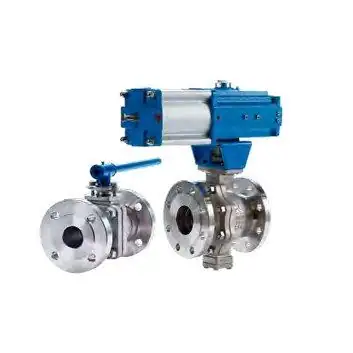
Lubricated plug valves done right
Use the sealant the valve maker specifies for the fluid and temperature; a general-purpose grease can wash out or harden.
Inject on a regular schedule and before operating a valve that has stood still for a long time.
Do not over-inject: too much pressure can make the plug hard to turn.
Record sealant injections, so a valve that needs much more than others is flagged for inspection.
Common problems and fixes
| Problem | Likely cause | Fix |
|---|---|---|
| Hard to turn | Dry lubricated plug, sticky product, over-tight cover or gland | Lubricate or flush; set plug adjustment and gland to the maker's values |
| Seat leakage | Worn or damaged sleeve, scored plug, sealant washed out | Replace the sleeve or re-lubricate; inspect the plug surface |
| Stem leakage | Worn stem seals or diaphragm | Replace seals; consider a low-emission design |
| Leak at the top cover | Cover gasket or diaphragm failure | Replace gasket and diaphragm |
Crane ChemPharma & Energy from BTGC
Crane ChemPharma & Energy makes Xomox sleeved, lined and high-performance plug valves, together with Saunders diaphragm valves, Pacific Valves, Krombach and Crane process valves. BTGC is a Crane partner in Saudi Arabia, with local assembly support in Dammam. See the Xomox page, sleeved plug and diaphragm valves and the oil and gas sector page.
Questions buyers ask
Can a sleeved plug valve throttle? Plug valves are mainly for on-off service; some designs with characterised ports can throttle within limits, which BTGC checks for the application.
Can a sleeved plug valve be repaired? Yes. The sleeve, seals and diaphragm are replaceable, and a lightly scored plug can be refinished.
How often should lubricated plug valves be lubricated? As the maker and the plant procedure specify, typically at a fixed interval and before operating a valve that has not moved for some time.
Contact the BTGC valve team
Email valves@btc-ksa.com or call +966 13 856 0528. Branches: Dammam, Jubail and Yanbu. Request a quote.