In short: a pressure safety valve (PSV) is the last thing between an upset and a ruptured vessel, and it can only be trusted if it has been tested recently. Plants in the Kingdom test PSVs on a fixed interval, at every turnaround and after any lift in service. BTGC tests, repairs and recertifies safety relief valves at its service center in Jubail and supplies Motoyama safety relief valves and spares.
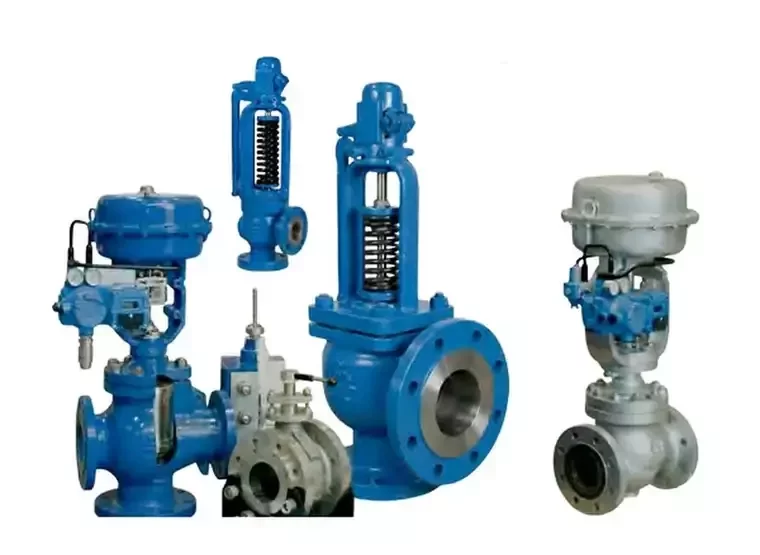
A refinery or petrochemical complex in Jubail can have thousands of pressure safety valves. Most of them never lift in a year. That is exactly why they are tested: a valve that has sat closed for three years against corrosive vapour, polymer build-up or dust may not open at its set pressure when it is finally needed, or may not reseat afterwards.
What the inspection standards ask for
API 576 sets out how pressure-relieving devices are inspected and repaired, and API 527 sets the seat tightness test. Saudi operators add their own schedules, usually tied to the service: clean and dry services can go to five years or a full turnaround cycle, while fouling, corrosive or polymerising services are often tested every one to two years. Any valve that has lifted in an upset is removed and checked.
| Test | What it proves |
|---|---|
| As-received pop test | Whether the valve would have protected the equipment in its installed condition, before anything is cleaned or adjusted |
| Visual and dimensional inspection | Condition of nozzle, disc, guide, spring and bellows; corrosion and erosion of the body |
| Set pressure (cold differential test pressure) | The valve opens at the specified pressure, corrected for back pressure and temperature |
| Seat tightness to API 527 | Leakage at 90 per cent of set pressure is within the allowed bubbles per minute |
| Back pressure and bellows test | For balanced bellows valves, that the bellows is intact and the bonnet vent is clear |
The as-received test matters most
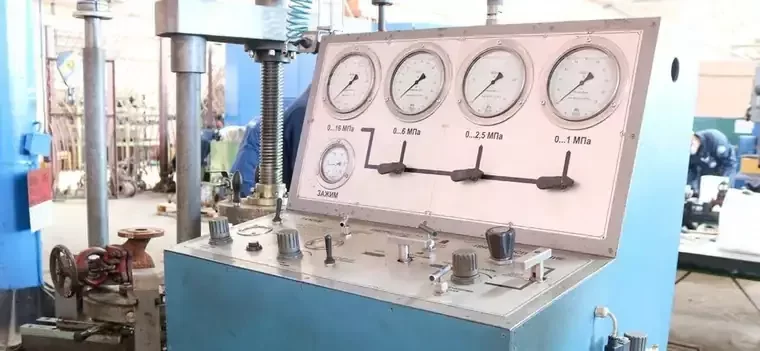
If the valve is cleaned or lapped before it is tested, the plant loses the most important information: whether the valve would have worked. A valve that popped well above its set pressure in the as-received test tells the inspection engineer that the interval is too long for that service, or that the valve type is wrong. BTGC records the as-received result first, then repairs, then tests again, and both results go into the certificate.
Repair or replace?
Repair when the body is sound and the trim can be restored: lapping the nozzle and disc, replacing springs, guides, gaskets and bellows with genuine parts.
Replace when the body or nozzle is eroded beyond limits, when the valve is a discontinued model with no parts, or when the as-received tests show the valve type is wrong for the service (for example a conventional valve where back pressure calls for a balanced bellows or pilot valve).
Upgrade when the relief study has changed: a new process rate or a new flare header may change the required orifice or back pressure.
Motoyama safety relief valves from BTGC
Motoyama Eng. Works, Ltd. builds spring-loaded safety relief valves alongside its control valve range, for steam, gas and liquid service. BTGC is the Motoyama partner in Saudi Arabia and supplies new valves and spare trims, while the BTGC service center in Jubail tests and repairs safety valves of all makes. For the control valve side of the same plants, see the article on cryogenic valves and the flow control and valves page.
Planning PSV work for a turnaround
List every PSV with tag, set pressure, size, service and last test date.
Agree which valves can be tested in place with a lift assist device and which must come to the bench.
Order long-lead spares (springs, bellows, nozzles) before the shutdown, based on the last repair records.
Book bench capacity early: a large turnaround can send several hundred valves at once.
Questions buyers ask
Can BTGC witness tests for the operator's inspector? Yes. Tests at the Jubail service center can be witnessed, and the certificate records both the as-received and the final results.
Do you test pilot-operated valves? Yes, including the pilot and main valve, provided the pilot parts are available from the manufacturer.
What information do you need with a valve? Tag number, set pressure, service, back pressure and any previous test records.
Contact the BTGC valve team
Email valves@btc-ksa.com or call +966 13 856 0528. Branches: Dammam, Jubail and Yanbu. Request a quote.