In short: synthetic esters are made by reacting acids with alcohols, giving base fluids with high thermal stability, good lubricity, high flash and fire points, and good biodegradability. They are used in high-temperature lubricants, compressor and chain oils, fire-resistant hydraulic fluids and ester-based transformer fluids. They behave differently from mineral oils with seals, water and paints, so compatibility must be checked. BTGC supplies Calumet specialty products, including esters.

Power utilities, steel plants and environmentally sensitive sites in the Kingdom use ester fluids where fire risk or spills are a concern.
Where esters are used
| Application | Why esters |
|---|---|
| High-temperature lubricants | Low volatility and deposit control in hot ovens, chains and compressors |
| Fire-resistant hydraulic fluids | High fire point near furnaces, casters and presses |
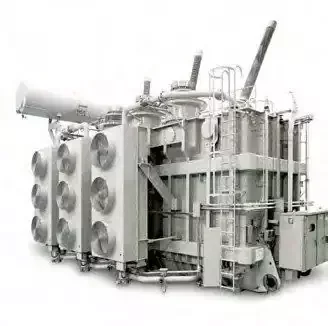
| Transformer fluids | High fire point and biodegradability for indoor or sensitive sites |
| Biodegradable lubricants | Lower environmental impact where spills reach soil or water |
Points to check before switching
Seal and hose compatibility, since some elastomers swell or harden in esters.
Paint and coating compatibility inside reservoirs.
Water content and hydrolysis risk; keep systems dry.
Mixing limits with the previous mineral oil; flush as the supplier advises.
Equipment maker approval, especially for transformers and turbines.
Care in service
Monitor acid number and water content by oil analysis.
Use desiccant breathers on tanks and reservoirs.
Keep records of the fluid type on equipment labels to avoid mixing.
For mineral insulating oils, see IEC 60296 transformer oil.
For compressor oils, see refrigeration compressor oils.
Calumet from BTGC
Calumet produces specialty hydrocarbon products, including solvents, esters, white oils and naphthenic oils, and is the parent of the Royal Purple and Bel-Ray brands. BTGC supplies Calumet products in Saudi Arabia. See also the lubrication and reliability page.
Questions buyers ask
Are esters the same as synthetic oils? Esters are one family of synthetic base oils; PAOs and PAGs are others.
Can ester fluids replace mineral oil in a transformer? Sometimes, by retrofilling, but it needs the maker's review and careful processing.
Do esters absorb water? They hold more dissolved water than mineral oil, so keep systems dry.
Contact BTGC
Email info@btc-ksa.com or call +966 13 856 0528. Branches: Dammam, Jubail and Yanbu. Request a quote.