In short: a chlor-alkali, EDC/VCM or water treatment plant handles some of the most aggressive fluids in industry: wet and dry chlorine, hydrochloric acid, hot caustic soda, brine and sodium hypochlorite. No single valve material suits them all. Dry chlorine is handled in steel and alloy valves under strict cleanliness rules; wet chlorine, HCl and hypochlorite call for fluoropolymer-lined valves; caustic and brine have their own choices. BTGC supplies Crane ChemPharma & Energy lined, sleeved plug and diaphragm valves for these services.
Saudi Arabia's chlor-alkali, PVC and water treatment plants depend on valves that handle chlorine chemistry for years without leaking. A leak here is not just lost product: chlorine is toxic at low concentrations, and HCl vapour corrodes everything around the valve. Valve selection therefore starts from the exact phase, moisture content and temperature of each stream on the line list.
Wet or dry chlorine changes everything
Dry chlorine, with its moisture held below the limit the plant specifies, is not very corrosive to carbon steel at normal temperatures, which is why dry chlorine systems use steel piping and valves designed and cleaned to the Chlorine Institute's guidance, such as Pamphlet 6 for piping systems. At high temperature, around 250 °C, steel can ignite in chlorine, so hot spots must be avoided. Once moisture enters, chlorine forms hydrochloric and hypochlorous acids and attacks steel rapidly. Wet chlorine from the cell room, before drying, is therefore handled in titanium, fibre-reinforced plastic or fluoropolymer-lined equipment. A valve chosen for dry chlorine can fail quickly if the drying system upsets.
| Stream | Main concern | Typical valve choices |
|---|---|---|
| Dry chlorine gas and liquid | Cleanliness, moisture ingress, stem leakage, trapped liquid expansion | Steel or alloy valves cleaned and dried for chlorine service, extended bonnets and cavity relief for liquid; sleeved plug valves; enhanced stem seals |
| Wet chlorine gas | Severe corrosion of steel | Fluoropolymer-lined valves, titanium valves |
| Hydrochloric acid | General corrosion of most metals | PTFE or PFA-lined plug, ball and butterfly valves; lined diaphragm valves |
| Sodium hypochlorite | Oxidising; attacks many metals and some elastomers | Lined valves with compatible linings and seals |
| Caustic soda | Caustic stress corrosion cracking at high temperature and concentration | Nickel alloy or lined valves in hot concentrated service; carbon steel only within the caustic service limits |
| Brine | Chloride pitting, crystallisation | Lined or rubber-lined valves, diaphragm valves |
Why lined and sleeved valves suit acid service
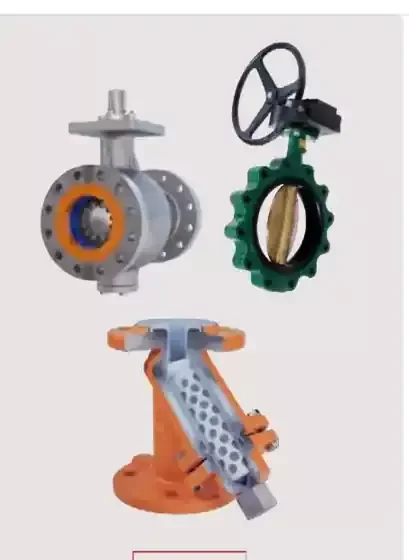
A PTFE or PFA lining isolates the metal body from the fluid, and fluoropolymers resist almost all the chemicals in a chlor-alkali plant. Sleeved plug valves, such as the Xomox design, add a full PTFE sleeve between plug and body, giving a seal with no cavities for solids or crystals to collect. Diaphragm valves, such as Saunders, keep the operating mechanism completely outside the fluid. For the general design rules of lined valves, see lined valves for acid service and sleeved plug and diaphragm valves.
Details that decide reliability
Permeation. Chlorine and HCl can permeate thin fluoropolymer linings at high temperature. Thicker linings, vent features in the body and the right lining grade reduce the effect.
Vacuum rating. Lined valves must be rated for vacuum if the line can pull one, or the lining can collapse.
Stem sealing. Toxic service usually calls for enhanced stem seals and leak detection; see fire-safe and low-emission valves.
Cleaning for dry chlorine. Valves for dry chlorine are degreased, dried and sealed at the factory; any oil or water left inside can react with chlorine.
Documentation. Each lined valve should arrive with lining spark test records and material certificates.
Crane ChemPharma & Energy from BTGC
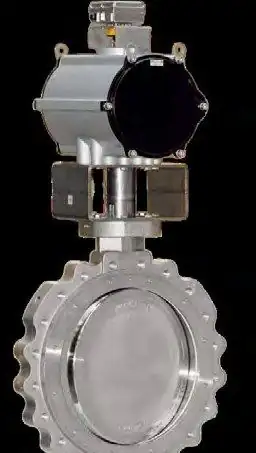
Crane ChemPharma & Energy brings together Xomox sleeved plug valves, Saunders diaphragm valves, PFA and PTFE-lined ball, plug, butterfly and check valves, and Crane process valves. BTGC is a Crane partner in Saudi Arabia, with local assembly support in Dammam. See the Xomox and Saunders pages and the petrochemicals sector page.
Questions buyers ask
Can one valve type cover the whole chlor-alkali plant? No. Dry chlorine, wet chlorine, HCl and caustic need different materials; BTGC selects valves stream by stream from the line list.
How long do lined valves last in HCl service? With the right lining and careful installation, many years. Failures usually come from permeation at high temperature, vacuum collapse or damage during installation.
Do you supply valves cleaned for chlorine service? Yes. Valves can be ordered degreased, dried and sealed for dry chlorine service with the documentation the plant requires.
Contact the BTGC valve team
Email valves@btc-ksa.com or call +966 13 856 0528. Branches: Dammam, Jubail and Yanbu. Request a quote.