In short: excavator buckets, loader buckets, chutes, hoppers and crusher feed points lose metal every hour they run. Bimetallic wear parts join a very hard white cast iron face, around 700 Brinell, to a mild steel backing that can be welded on site. They outlast standard wear plate several times in sliding abrasion, as long as they are placed where abrasion, not heavy impact, is the main wear mechanism. BTGC supplies Bimat chocky bars, wear buttons, skid bars and hammer tips.
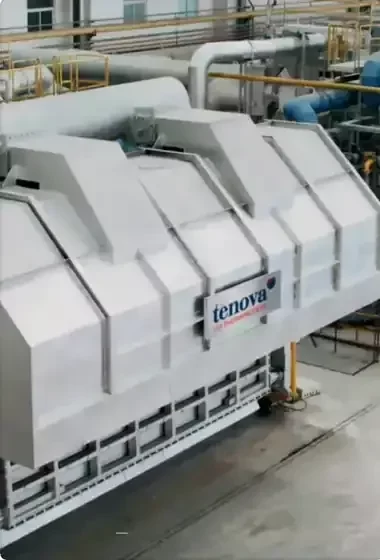
Phosphate and bauxite mines, limestone quarries, cement plants and bulk ports in the Kingdom move abrasive material all day. Wear part changes cost both parts and downtime, so getting more life from each change has a direct effect on cost per tonne.
Wear protection options compared
| Option | Strengths | Limits |
|---|---|---|
| Quenched and tempered wear plate (400 to 500 HB) | Tough, easy to cut and weld, handles impact | Wears faster in pure sliding abrasion |
| Chromium carbide overlay plate | Very good abrasion resistance on large areas | Overlay can crack and spall under heavy impact |
| Bimetallic white iron on steel backing (about 700 HB) | Very high abrasion resistance, welded on through the steel backing | Not for areas of heavy direct impact |
| Rubber, polyurethane or ceramic linings | Good for fine, wet material and noise reduction | Temperature and cutting limits |
Where bimetallic parts work best
Bucket heels, side walls, lips and corners where material slides.
Chute and hopper liners at points of sliding contact, especially at transfer points.
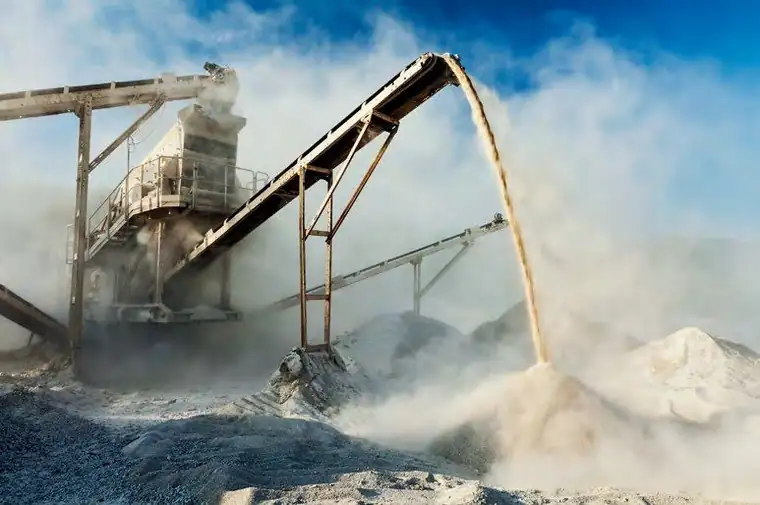
Skids on crushers, screens and equipment dragged over the ground.
Hammer and impactor tips in suitable crushing duties.
Fitting and inspection
Weld only to the steel backing, never to the white iron face, and follow the maker's preheat and welding instructions.
Lay parts out so that leading edges and the highest-wear zones are covered first.
Leave gaps that let fines pack between parts, creating a protective layer of material.
Inspect and measure wear at fixed intervals; replace before the backing and parent steel are exposed.
Record life per part and location to refine the layout at the next rebuild.
Bimat from BTGC
Bimat of Germany supplies bimetallic wear parts for mining, earthmoving, cement and bulk handling equipment. BTGC is the Bimat partner in Saudi Arabia. See also crusher wear parts, stacker-reclaimers, the mining and metals sector page and the machinery handling page.
Questions buyers ask
Can bimetallic parts be cut to fit? The white iron face is very hard and is not cut on site; choose standard sizes and shapes to suit the layout.
Why do parts crack on some buckets? Heavy impact from large rocks can crack the hard face; use tougher plate in those areas.
Can BTGC help design a wear layout? Yes, from photos, drawings and current wear life data.
Contact BTGC
Email info@btc-ksa.com or call +966 13 856 0528. Branches: Dammam, Jubail and Yanbu. Request a quote.