In short: a boiler safety valve is the last protection against a steam drum, superheater or reheater exceeding its design pressure. Boiler valves follow ASME Section I or equivalent boiler codes, which are stricter than the rules for process vessels: limited blowdown, set pressures tied to the drum MAWP, capacity that must cover the boiler's full steaming rate, and a specific order of lifting between drum and superheater valves. BTGC supplies Nakakita safety valves and tests and repairs safety valves at its Jubail service center.
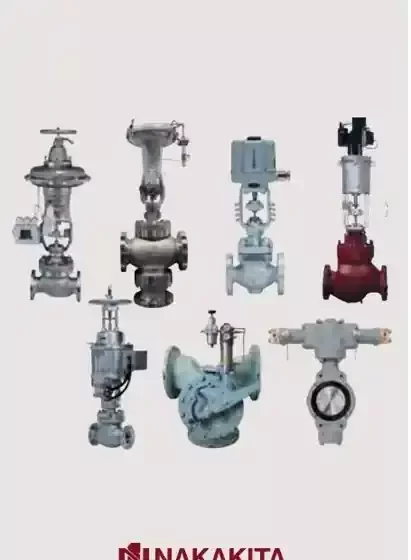
Utility boilers, heat recovery steam generators, industrial package boilers and marine boilers all depend on spring-loaded safety valves. Unlike most process relief valves, they lift regularly enough to matter and they discharge large flows of high-energy steam, so their set pressure, blowdown and reseating behaviour are critical to the boiler's safe operation.
Boiler valves versus process relief valves
| Feature | Boiler safety valve (ASME Section I) | Process relief valve (ASME Section VIII) |
|---|---|---|
| Action | Full-lift pop action on steam | Pop or modulating, depending on service |
| Blowdown | Tightly limited, typically 2 to 4 per cent of set pressure | Usually larger, often around 7 per cent or adjustable |
| Overpressure allowed | Pressure must not rise more than 6 per cent above the highest set pressure, and not above 6 per cent over MAWP | Typically 10 per cent, more for fire cases |
| Design | Open bonnet, lifting lever, ring adjustments | Often closed bonnet, bellows for back pressure |
| Code stamp | Section I certification | Section VIII certification |
Setting the valves on a boiler
The drum valves must together relieve the boiler's maximum steaming capacity, with at least one valve set at or below the drum MAWP and the others within the code's set pressure range.
Superheater outlet valves are set lower than the drum valves so they lift first; steam then keeps flowing through the superheater and cools it during a pressure rise.
Reheater valves protect the reheat circuit separately, with their own capacity requirements.
Discharge pipes must be supported and drained so reaction forces and condensate do not damage the valve or prevent it reseating.
Blowdown and reseating
Blowdown is the difference between set pressure and the pressure at which the valve reseats. Too little blowdown causes chatter, which damages seats and guides; too much wastes steam and drops boiler pressure. Blowdown is adjusted with the valve's adjusting rings at the test stand and verified on the boiler where the procedure requires. After any change to ring settings, the valve is resealed and the settings recorded.
Testing in service and at outages
Hand-lift the valve with its lever at intervals the plant procedure sets, with enough pressure in the boiler to clear the seat, to prove it is free.
Test set pressure on the boiler with a hydraulic assist device, or by raising boiler pressure, at outages and after repairs.
Remove valves for bench overhaul, seat lapping and spring checks at major outages, then reset and test before reinstallation.
Record set pressure, blowdown and seat tightness for every valve; trends show which valves need closer attention.
Process relief valves follow different testing rules, covered in safety relief valve testing and recertification.
Nakakita from BTGC
Nakakita Seisakusho manufactures safety valves, automatic control valves, butterfly valves and remote control systems for power plants, ships and industry. BTGC is the Nakakita partner in Saudi Arabia, and the BTGC service center in Jubail tests and repairs safety valves of all makes. See also steam pressure reducing valves and the power and utilities page.
Questions buyers ask
Can a process relief valve be used on a boiler drum? No. Boiler drums need valves certified to the boiler code, with the capacity, blowdown and construction it requires.
Why does our safety valve chatter? Common causes are blowdown set too short, inlet pressure loss in the inlet pipe, or a valve oversized for the actual relieving flow.
Can you test safety valves on site? Set pressure checks with a lift-assist device can be done on site; full overhaul and seat testing are done at the Jubail service center.
Contact the BTGC valve team
Email valves@btc-ksa.com or call +966 13 856 0528. Branches: Dammam, Jubail and Yanbu. Request a quote.