In short: most plants generate steam at one pressure and use it at several lower ones, so pressure reducing valves sit between every header and its users. A self-acting valve needs no air or power and suits steady loads; a pneumatic control valve with a positioner handles large turndown and tight control. BTGC supplies Nakakita pressure reducing and control valves for Saudi utilities, petrochemical plants and ships.
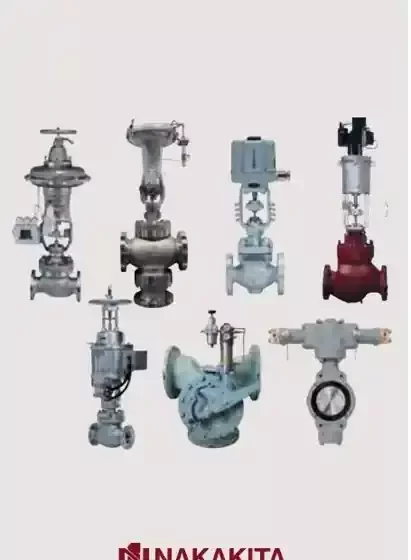
A typical petrochemical site in Jubail runs high-pressure steam for turbines, medium pressure for reboilers and tracing, and low pressure for heating and deaerators. Every step down goes through a pressure reducing station. When those stations hunt, overshoot or pass at low load, process temperatures swing and safety valves on the low-pressure side start to lift.
Two ways to reduce steam pressure
| Self-acting (pilot-operated) PRV | Pneumatic control valve | |
|---|---|---|
| Energy needed | None; uses the steam itself | Instrument air and a positioner |
| Control accuracy | Good at steady load | Tight across a wide range |
| Turndown | Limited; can hunt at very low flows | Wide, especially with split range |
| Remote set point | No | Yes, from DCS |
| Typical use | Building heating, tracing, small users | Process headers, large letdown stations |
Getting the station right
Size for the real load range. An oversized valve that runs at 10 per cent open wears its seat and hunts. Two valves in parallel (one small, one large) solve wide turndown.
Protect the valve. A strainer and a drain upstream keep scale and condensate away from the seat.
Give it straight pipe. The downstream sensing line must see stable pressure, away from bends and the valve outlet.
Relieve the downstream side. A correctly sized safety valve protects the low-pressure system if the reducing valve fails open.
Watch the noise. Large pressure drops need low-noise trims or diffusers, the same way control valve cavitation needs special trims in liquid service.
Nakakita from BTGC
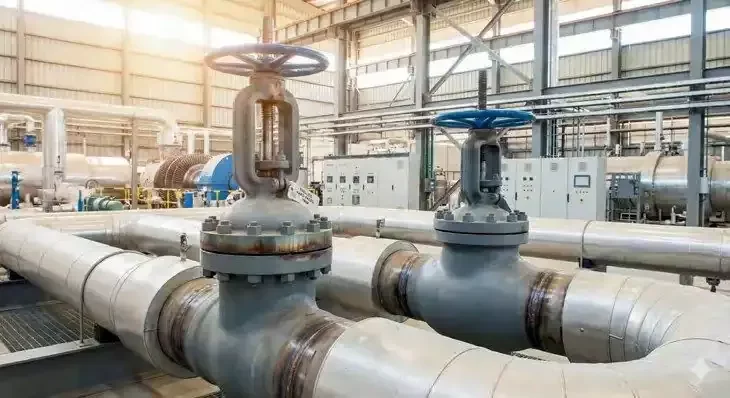
Nakakita Seisakusho supplies automatic control valves, pressure reducing valves and butterfly valves to ships, power plants and industry. BTGC is the Nakakita partner in Saudi Arabia, supplying valves and spare parts and supporting inspection and repair at the BTGC service center in Jubail. See also remote valve control systems and the flow control and valves page.
Questions buyers ask
Can an existing PRV station be upgraded without new piping? Often yes, if the face-to-face dimension matches; BTGC checks the existing station drawings.
What data is needed to size a PRV? Inlet and outlet pressure, maximum and minimum flow, steam condition (saturated or superheated) and pipe size.
Do you repair reducing valves of other makes? Yes, at the Jubail service center, subject to parts availability.
Contact the BTGC valve team
Email valves@btc-ksa.com or call +966 13 856 0528. Branches: Dammam, Jubail and Yanbu. Request a quote.