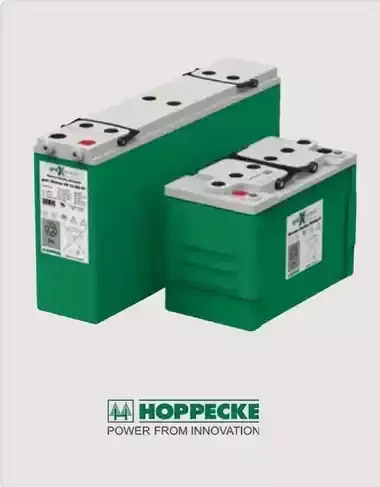
In short: when main power fails at an oil or gas facility, batteries keep the most important systems alive: emergency shutdown, fire and gas detection, control systems, telecom and emergency lighting. Their autonomy must be enough for a safe shutdown or until power returns, in remote desert sites with extreme heat. Choosing battery chemistry, sizing for the real duty cycle and testing regularly are the basis of a reliable DC system. BTGC supplies Hoppecke nickel-cadmium and lead-acid batteries.
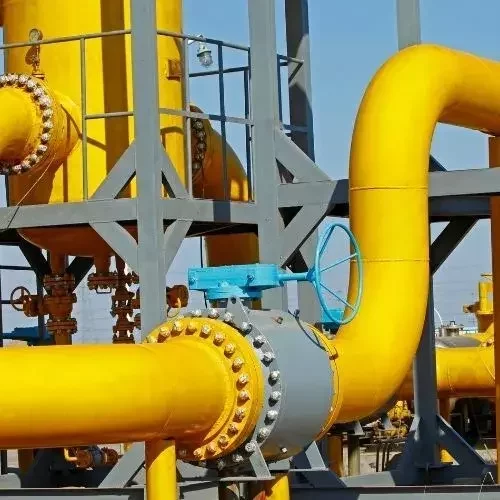
Gas-oil separation plants, wellhead sites, pipeline stations and offshore platforms in the Kingdom often operate unmanned and far from towns. A battery system that fails during a power outage can prevent a safe shutdown.
Typical DC loads
| System | Notes |
|---|---|
| Emergency shutdown (ESD) and fire and gas | Safety-critical; autonomy set by safety studies |
| Distributed control and SCADA | Keeps monitoring and control during outages |
| Switchgear tripping and closing | Short high-current loads |
| Telecom and radio | Often 48 V systems at remote sites |
| Emergency lighting | Escape and critical area lighting |
Design points
Build a duty cycle from all loads with their durations; size to IEEE 1115 for NiCd or IEEE 485 for lead-acid.
Apply temperature and ageing factors; heat is the main threat in the Kingdom, see batteries in Saudi heat.
Choose NiCd where rooms are hot, maintenance visits are rare or deep discharges may occur.
Follow hazardous area and ventilation rules for battery rooms and enclosures.
At remote sites, combine batteries with solar charging and size for several days of autonomy where needed.
Testing and upkeep
Check float voltages, electrolyte levels and connections on each visit.
Carry out capacity tests at commissioning and at set intervals.
Monitor battery temperature and cell voltages remotely at unmanned sites.
Keep charger alarms connected to the control system.
Replace strings as a whole when capacity falls below the design limit.
Hoppecke from BTGC
Hoppecke of Germany makes industrial nickel-cadmium and lead-acid batteries for oil and gas, utilities, telecom and rail. BTGC is the Hoppecke partner in Saudi Arabia. See also HIPPS and the oil and gas sector page.
Questions buyers ask
How long should ESD batteries last during an outage? As long as the safety study requires for a safe shutdown; this is set project by project.
Are NiCd batteries suitable for solar-charged remote sites? Yes, they handle high temperatures and deep cycling well.
Does BTGC supply complete battery racks? Yes, with racks, connectors and monitoring on request.
Contact the BTGC power division
Email power@btc-ksa.com or call +966 13 856 0528. Branches: Dammam, Jubail and Yanbu. Request a quote.