In short: a High Integrity Pressure Protection System (HIPPS) is a safety instrumented system that shuts the flow at its source before pressure can exceed the rating of downstream equipment. It lets a lower-rated pipeline or plant sit behind a high-pressure source without full-flow relief to flare. HIPPS is designed and managed under IEC 61511, usually to SIL 3, with redundant pressure transmitters, a safety logic solver and fast-closing shutdown valves. BTGC supplies ECONTROL HIPPS packages and severe service valves.
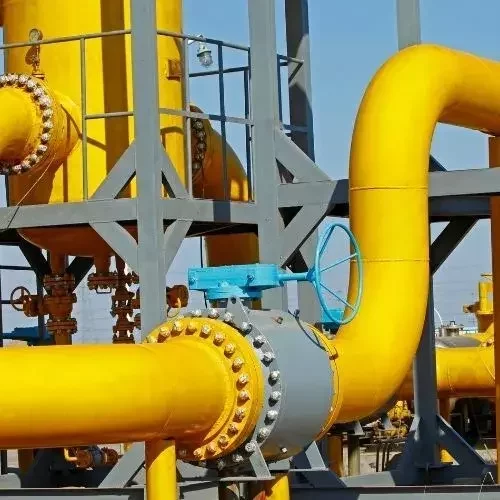
Wellhead shut-in pressures can be far higher than the rating of flowlines, trunklines or gas-oil separation plant inlets. Relief valves sized for full flow would need huge flare systems. HIPPS removes the overpressure source instead, which is why it is widely used on wellheads, pipelines and gas plants, and offshore under API 14C principles. API 521 recognises HIPPS as an alternative to pressure relief in suitable cases.
How a HIPPS works
| Element | Typical arrangement |
|---|---|
| Sensors | Three pressure transmitters voting two-out-of-three (2oo3), on separate tappings |
| Logic solver | A certified safety PLC or solid-state logic that trips on high pressure |
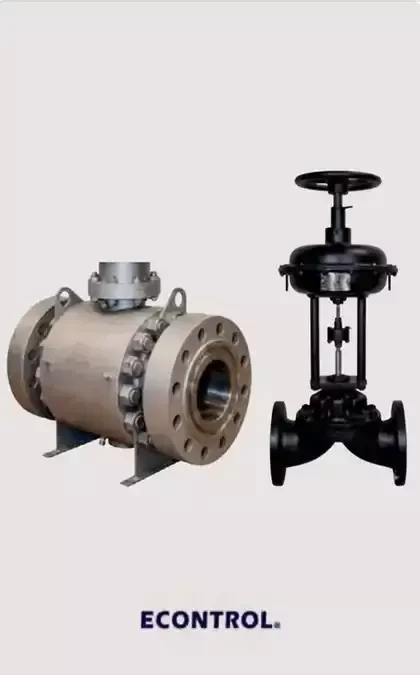
| Final elements | Two shutdown valves in series, either one closing is enough (1oo2), with spring-return actuators and solenoid valves |
| Response | Valves close fast enough to stop the pressure before it reaches the downstream design limit; closing time is set from a pressure surge study |
What SIL 3 demands
A safety requirements specification that defines the hazard, trip point, response time and required safety integrity.
SIL verification: the calculated probability of failure on demand of the whole loop must meet the target.
Devices that are certified to IEC 61508 or proven in use, with known failure rates.
Diagnostic coverage: transmitter comparison, valve position feedback and partial stroke testing.
Management of bypasses, overrides and modifications under the plant's functional safety procedures.
Valve requirements
Tight metal-seated shutoff, often to a high leakage class, tested and recorded.
Fire-safe design and low fugitive emissions; see fire-safe and low-emission valves.
Actuators sized for worst-case torque with margin, and fail-safe on loss of air or power; see actuator sizing.
Materials for sour service where H2S is present.
Testing and life cycle
Integrated factory acceptance test of the complete system before shipment.
Site acceptance and commissioning tests, including measured valve closing times.
Proof tests at the interval used in the SIL calculation; partial stroke tests between full tests.
Records of every trip, test and failure to confirm the failure rates assumed in design.
ECONTROL from BTGC
Tecnologías ECONTROL engineers HIPPS, metal-seated ball valves, gate, globe, check and choke valves for upstream oil and gas and mining. BTGC is the ECONTROL partner in Saudi Arabia. See also valve seat leakage classes and the oil and gas sector page.
Questions buyers ask
Does HIPPS remove the need for relief valves? It can replace full-flow relief where a risk assessment and the applicable codes allow; small thermal relief is usually still fitted.
How often must HIPPS be tested? At the proof test interval used in the SIL calculation, often once or twice a year, with partial stroke tests in between.
Can BTGC supply a complete HIPPS skid? Yes, ECONTROL supplies integrated systems: transmitters, logic solver, valves, actuators and documentation.
Contact the BTGC valve team
Email valves@btc-ksa.com or call +966 13 856 0528. Branches: Dammam, Jubail and Yanbu. Request a quote.