In short: zero leakage means different things in different standards. Isolation valves are tested to API 598, ISO 5208 or EN 12266-1, which set allowable leakage by valve type and seat material; control valves are rated to ANSI/FCI 70-2 classes II to VI, which allow measurable leakage in all but the tightest classes. Naming the right standard and class, and witnessing the test, avoids disputes and leaking valves. BTGC supplies Nakakita control, butterfly and safety valves tested to the required standards.
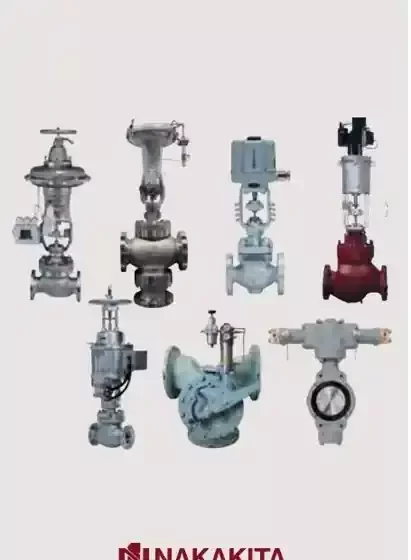
A purchase order that says bubble-tight or zero leakage without naming a standard invites an argument at the factory acceptance test. Valve leakage is always measured under defined conditions (test fluid, pressure, duration and how leakage is counted), and those conditions differ between standards and between isolation and control valves.
Isolation valves: API 598, ISO 5208 and EN 12266-1
API 598 covers shell, backseat and seat tests for gate, globe, check, ball, plug and butterfly valves. For soft-seated valves it requires no visible leakage during the seat test; for metal-seated valves it allows a small number of drops or bubbles per minute that depends on valve size. ISO 5208, and EN 12266-1 which follows the same approach, defines leakage rates A to G, where rate A means no visible leakage and later letters allow progressively more. The purchaser names the rate in the order.
| Standard | Applies to | How leakage is stated |
|---|---|---|
| API 598 | Industrial isolation valves; referenced by many API valve standards | No visible leakage for soft seats; drops or bubbles per minute by size for metal seats |
| ISO 5208 / EN 12266-1 | Industrial valves in general | Leakage rates A (none visible) to G, chosen by the purchaser |
| API 6D | Pipeline valves | Its own seat test, with ISO 5208 rate A for soft seats and stated rates for metal seats |
| ANSI/FCI 70-2 (IEC 60534-4) | Control valves | Classes II to VI, as a fraction of rated capacity or a measured flow |
Control valves: ANSI/FCI 70-2 classes
| Class | Typical seat | Allowable leakage (summary) |
|---|---|---|
| II | Double-port or balanced metal seat | 0.5 per cent of rated capacity |
| III | Balanced metal seat with a closer fit | 0.1 per cent of rated capacity |
| IV | Single-port or balanced metal seat | 0.01 per cent of rated capacity |
| V | Metal seat for tight shut-off | 5 x 10⁻⁴ ml of water per minute, per inch of port diameter, per psi of differential pressure |
| VI | Soft seat or special metal seat | A small number of air bubbles per minute, set by port size |
Class IV is the usual default for metal-seated globe valves. Class V or VI is specified where the valve must also isolate, for example on letdown or vent service. Tighter classes need more seating force, so the actuator must be sized for it, as covered in actuator sizing.
How to specify and verify
Name the standard and the class or rate on the data sheet, with the test direction for bidirectional valves.
State whether the test is with water or air and at what pressure; low-pressure gas tests find leaks that water tests miss.
Witness the seat test at the factory or at the BTGC service center for critical valves, and keep the record.
Expect leakage in service to rise as seats wear or deposits form; a valve that passed at the factory will not stay tight in dirty or erosive service without maintenance.
When a valve starts passing
A passing isolation or control valve wastes product, erodes its own seat further and can make maintenance isolation unsafe. Seat lapping, new soft seats or new trim restore tightness, and the valve is retested to its original class. The BTGC service center in Jubail repairs and retests valves of all makes; see also safety relief valve testing for the separate API 527 rules on PSV seat tightness.
Nakakita from BTGC
Nakakita Seisakusho supplies automatic control valves, butterfly valves, safety valves and remote control systems. BTGC is the Nakakita partner in Saudi Arabia. See also butterfly valve types and the flow control and valves page.
Questions buyers ask
Is Class VI the same as zero leakage? No. Class VI allows a small number of bubbles per minute during the test; it is very tight but not zero.
Can a metal-seated control valve meet Class V? Yes, with a suitable trim design and enough seating force; Class VI usually needs a soft seat or a special metal seat design.
Which standard applies to our valve? It depends on valve type and service; the data sheet or project specification should name it, and BTGC confirms it in the offer.
Contact the BTGC valve team
Email valves@btc-ksa.com or call +966 13 856 0528. Branches: Dammam, Jubail and Yanbu. Request a quote.