In short: the diaphragm is the heart of a diaphragm valve: it seals the seat and isolates the process from the bonnet. Its life depends on the material, temperature, pressure, chemicals and how often the valve cycles or is sterilised. Most problems come from the wrong diaphragm grade, overtightening the handwheel, or bonnet bolts that lose torque after heating and cooling. Planned replacement and correct torque keep diaphragm valves tight. BTGC supplies Saunders diaphragm valves and spare diaphragms.
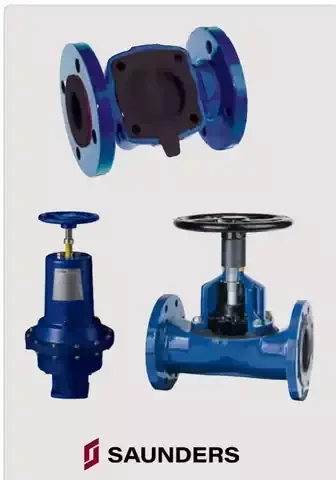
Water treatment, desalination, chemical, pharmaceutical and food plants in the Kingdom use large numbers of diaphragm valves. Unplanned leaks often come from a few avoidable mistakes.
Diaphragm materials at a glance
| Material | Typical use |
|---|---|
| EPDM | Water, steam and many dilute chemicals |
| PTFE-faced with elastomer backing | Aggressive chemicals and high purity services |
| Butyl | Some acids and chemicals at moderate temperatures |
| Natural rubber | Abrasive slurries at lower temperatures |
What shortens diaphragm life
A material grade not suited to the chemical or temperature.
Frequent steam sterilisation or thermal cycling.
Overtightening the handwheel or actuator beyond the travel stop.
Bonnet bolts losing torque, especially with PTFE diaphragms.
Pressure spikes and water hammer.
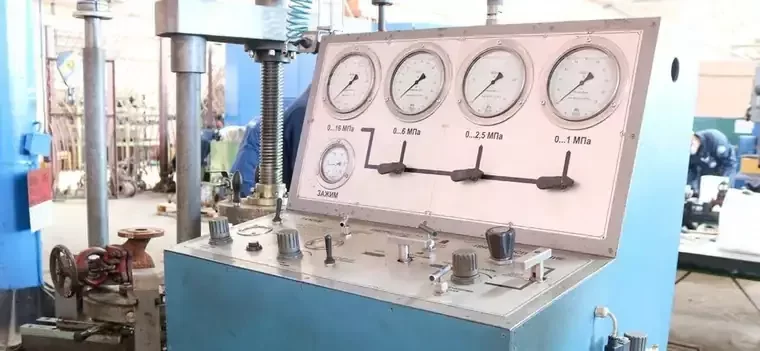
Maintenance good practice
Set replacement intervals from service history and supplier guidance.
Re-torque bonnet bolts to the specified values after first heat-up and at intervals.
Check the bonnet leak indicator hole for signs of diaphragm failure.
Inspect body linings for damage when changing diaphragms.
Keep spare diaphragm kits for critical valves and record each change.
Saunders from BTGC
Saunders, part of Crane ChemPharma and Energy, makes industrial and hygienic diaphragm valves. BTGC is the Saunders partner in Saudi Arabia, with valve testing and repair at the Jubail service center. See also demineralisation plant valves, chemical dosing valves and the power and utilities sector page.
Questions buyers ask
How often should diaphragms be replaced? It depends on service; intervals are best set from history and the supplier guidance.
Why re-torque bonnet bolts? Diaphragms, especially PTFE, relax with heat, which reduces sealing force.
Does BTGC stock Saunders diaphragms? BTGC supplies genuine Saunders diaphragms and valves.
Contact the BTGC valve team
Email valves@btc-ksa.com or call +966 13 856 0528. Branches: Dammam, Jubail and Yanbu. Request a quote.