In short: hydrofluoric acid (HF) alkylation units turn light olefins and isobutane into high-octane alkylate, using HF as the catalyst. HF is highly toxic and corrosive, so valves in the unit are built to tighter rules than ordinary refinery valves: carbon steel with controlled residual elements, nickel-copper alloy trim, enhanced stem sealing, and colour-change paint or tape that shows a leak. API RP 751 sets out the safe operating practice. BTGC supplies Crane ChemPharma & Energy valves, including Pacific Valves designs for HF alkylation service.
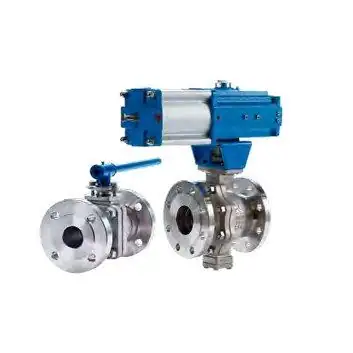
Alkylation is one of the main routes to clean, high-octane gasoline blending stock. Refineries using the HF process accept a demanding material and safety regime in return for an efficient catalyst. Valves are a large share of the potential leak points, so their design, materials and testing receive special attention.
Why HF is different
Anhydrous HF is extremely toxic and can form a dense, drifting cloud when released, which is why HF units have water mitigation systems and strict leak detection.
Dry HF is handled in carbon steel, which forms a protective fluoride film, but corrosion rises sharply with water content and temperature.
Some residual elements in carbon steel, such as copper, nickel and chromium, increase corrosion in HF service, so materials are bought with controlled limits on these elements, as licensor specifications require.
Nickel-copper alloys such as Alloy 400 resist HF well and are widely used for valve trim, bellows and stems.
What an HF-service valve looks like
| Feature | Purpose |
|---|---|
| Carbon steel body with controlled residual elements and hardness | Uniform, predictable corrosion; avoids preferential attack and cracking |
| Alloy 400 or similar trim, stem and springs | Corrosion resistance where thin sections and sealing surfaces cannot tolerate metal loss |
| Enhanced stem sealing: bellows, live-loaded packing or double packing with a leak-off | Minimises leaks at the stem, the most likely leak path |
| Gaskets and packing approved for HF | Some ordinary sealing materials are attacked by HF |
| Colour-change paint or indicator tape at joints and stems | Shows small leaks visually during operator rounds |
| Cleaning, drying and HF service marking | Water left in a valve corrodes it on first contact with HF |
API RP 751 and licensor requirements
API RP 751 covers the safe operation of HF alkylation units, including materials, inspection, personal protection and mitigation. The process licensor's equipment specifications add detailed requirements for valves, flanges and bolting. Valve suppliers for HF service must meet both, provide material certificates and test records, and mark the valves for HF service so they cannot be mixed with general refinery stock.
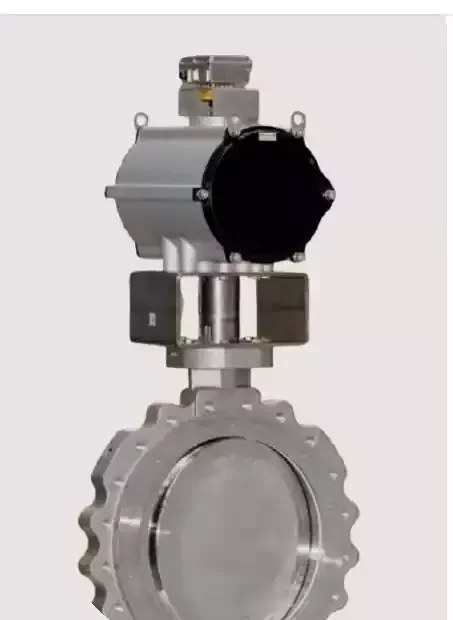
Inspection and maintenance
Treat every valve opened in HF service as contaminated until it has been neutralised; follow the unit's decontamination procedure before work.
Inspect for corrosion at the seat, stem and body cavity, and check the hardness of any weld repair.
Replace packing and gaskets only with materials on the unit's approved list.
If a valve is hydro-tested with water, dry it thoroughly before it returns to HF service; many units prefer gas testing for these valves.
Keep HF valve spares segregated and clearly marked.
Related refinery valve duties
The same refinery often needs specialised valves elsewhere: lined valves for acid and chemical service, fire-safe and low-emission isolation valves, and delayed coker valves, which Pacific Valves also builds. See fire-safe and low-emission valves and valves for chlorine and HCl service.
Crane ChemPharma & Energy from BTGC
Crane ChemPharma & Energy includes Pacific Valves, which builds valves for HF alkylation, delayed coking and high-pressure refinery service, alongside Xomox, Saunders, Krombach and Crane process valves. BTGC is a Crane partner in Saudi Arabia; see the Pacific Valves profile and the oil and gas sector page.
Questions buyers ask
Can standard refinery gate valves be used in HF service? No. HF service needs controlled materials, compatible trim and sealing, and specific cleaning and marking; use valves supplied for HF service.
What documents come with HF-service valves? Material certificates with residual element and hardness results, test records and the HF service marking required by the licensor specification.
Can BTGC supply spares for existing HF valves? Yes, against the valve serial numbers and the unit's approved materials list.
Contact the BTGC valve team
Email valves@btc-ksa.com or call +966 13 856 0528. Branches: Dammam, Jubail and Yanbu. Request a quote.