In short: the on-load tap changer (OLTC) is the only moving part of a power transformer that operates under load, often many times a day, and international failure surveys list tap changers among the leading causes of transformer failures. Maintenance based on operation counts and time, oil checks of the diverter compartment and attention to the motor drive keep it reliable, and vacuum-type tap changers greatly extend the interval. BTGC supplies HD Hyundai Electric power transformers with on-load tap changers and supports life-cycle planning.
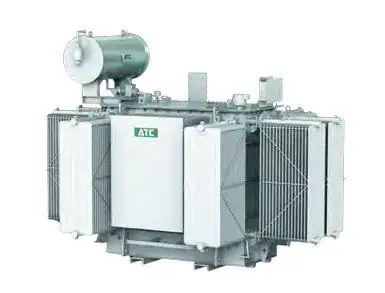
Utilities and industrial plants use on-load tap changers to hold voltage steady as load and supply voltage change. Every tap change makes and breaks current inside the transformer. Over thousands of operations contacts wear, the oil in an arcing-type diverter compartment carbonises, and the springs, gears and motor drive of the mechanism wear like any machine.
How an OLTC works
Most large tap changers have two parts: a tap selector that chooses the next tap without carrying switching current, and a diverter switch that transfers the load from one tap to the next through transition resistors in a few tens of milliseconds. A spring energy accumulator drives the diverter so the transfer always completes at full speed. A motor drive unit outside the tank turns the drive shaft, counts operations and provides limit and step-by-step protection.
| Type | Where switching happens | Maintenance implications |
|---|---|---|
| Oil type (arcing in oil) | Diverter contacts in a separate oil compartment | Arcing carbonises the oil and wears contacts; regular oil change and contact inspection by operation count or time |
| Vacuum type | Inside vacuum interrupters | No arcing in oil; much longer intervals, with maintenance mainly on the mechanism |
| Tap selector (all types) | Selector contacts in the main tank oil | Inspected at major overhauls; main tank DGA can show selector overheating |
Why tap changers fail
Contact wear and coking on diverter or selector contacts, causing overheating.
Mechanical faults in the spring accumulator, shafts or couplings, leading to an incomplete transfer.
Motor drive problems: worn brakes, failed limit switches or step-by-step relays, so the drive runs through taps or stops between positions.
Oil problems: moisture and carbon in the diverter oil reduce its dielectric strength.
Seal leaks between the diverter compartment and the main tank, which contaminate the main tank oil with arcing gases and confuse DGA results.
What a maintenance programme includes
Follow the tap changer maker's interval, set by the number of operations or by years, whichever comes first.
Test diverter compartment oil for breakdown voltage and water between overhauls on arcing types.
Record the operation count and the daily number of tap changes; a sudden rise points to a voltage control problem upstream.
Inspect the motor drive yearly: brake, limit switches, heater, counter and protection relays.
At overhaul, inspect and measure contacts, transition resistors and the accumulator, replace worn parts and oil, and carry out dynamic resistance and timing measurements.
Interpret main tank DGA with the OLTC design in mind: acetylene in the main tank can come from a leaking diverter compartment rather than a winding fault, as explained in transformer oil testing and DGA.
Specifying the tap changer on new transformers
When buying a transformer, decide the regulation range and step size, the expected daily operations, and whether a vacuum-type tap changer is worth its price in lower maintenance. Specify an online oil filter for arcing types with high operation counts, and the monitoring signals the substation automation system needs. See power transformer specification and transformer loading in summer heat.
HD Hyundai Electric from BTGC
HD Hyundai Electric builds power and distribution transformers, gas-insulated switchgear and rotating machines. BTGC is the HD Hyundai Electric partner in Saudi Arabia, supporting specification, supply and maintenance planning. See also the power and utilities page.
Questions buyers ask
How often does an OLTC need maintenance? It depends on the type and the number of operations; arcing types need diverter maintenance far more often than vacuum types. The maker's schedule sets the interval.
Can an old arcing tap changer be upgraded to vacuum? Retrofit kits exist for some designs; feasibility depends on the tap changer model and the transformer and is checked with the manufacturer.
Why do we see acetylene in the main tank? It can be an arcing fault in the transformer or gas leaking from the OLTC diverter compartment; check the OLTC seals and compare with the compartment oil before drawing conclusions.
Contact the BTGC power division
Email power@btc-ksa.com or call +966 13 856 0528. Branches: Dammam, Jubail and Yanbu. Request a quote.