In short: pressure and differential pressure transmitters send the readings that control systems use for pressure, flow and level control and for safety trips. A transmitter is only as good as its installation: impulse lines that block or freeze, remote seals with the wrong fill fluid, and hot sun on the housing all cause errors. Choosing the right range, materials and connection, installing correctly and calibrating regularly keeps measurements trustworthy. BTGC supplies Nuova Fima transmitters, gauges and diaphragm seals.
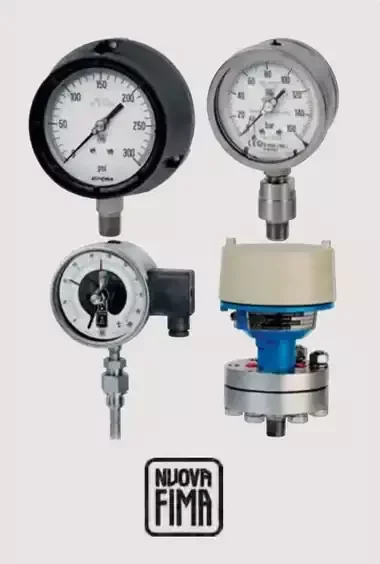
Every unit in a refinery, gas plant or power station depends on hundreds of transmitters. Errors and blocked lines lead to poor control and spurious trips.
Selection points
| Item | What to consider |
|---|---|
| Measurement | Gauge, absolute or differential pressure |
| Range and turndown | Normal value in the useful part of the range |
| Wetted materials | Suited to the fluid and to sour service if needed |
| Connection | Direct, with manifold, or with remote diaphragm seals |
| Approvals | Hazardous area certification and safety ratings for trip duties |
Installation good practice
Keep impulse lines short, sloped correctly and free of pockets.
Mount transmitters below the tap for liquids and above for gas, unless seals are used.
Use remote diaphragm seals for viscous, corrosive, hot or plugging fluids; choose fill fluids for the temperature range; see diaphragm seals.
Shade transmitters and capillaries from direct sun to limit temperature errors.
Use manifolds for safe isolation, venting and calibration.
Calibration and checks
Calibrate on a schedule set by criticality and drift history.
Check zero regularly on differential pressure transmitters.
Blow down or flush impulse lines on dirty services.
Compare transmitters with local gauges during rounds.
Record drift to adjust calibration intervals.
Nuova Fima from BTGC
Nuova Fima of Italy makes pressure gauges, transmitters, switches, thermometers and diaphragm seals for oil and gas, petrochemical and power plants. BTGC is the Nuova Fima partner in Saudi Arabia. See also thermowells and temperature measurement and the petrochemicals sector page.
Questions buyers ask
When are remote diaphragm seals needed? For fluids that are corrosive, viscous, hot, crystallising or that would block impulse lines.
Why does sunshine affect readings? Heating changes the fill fluid volume in seals and capillaries and affects electronics, causing errors.
Does BTGC supply calibrated transmitters? Yes, with factory calibration certificates.
Contact BTGC
Email info@btc-ksa.com or call +966 13 856 0528. Branches: Dammam, Jubail and Yanbu. Request a quote.