In short: a valve body must contain the pressure for decades while resisting the fluid inside and the environment outside. Material choice follows temperature, pressure, corrosion and code requirements: grey and ductile iron for water and low-pressure utilities, carbon steel for most hydrocarbon and steam service, low-temperature or alloy steels where cold or heat demands it, and stainless or duplex for corrosive and seawater duties. BTGC supplies KSB valves in the materials each service needs.
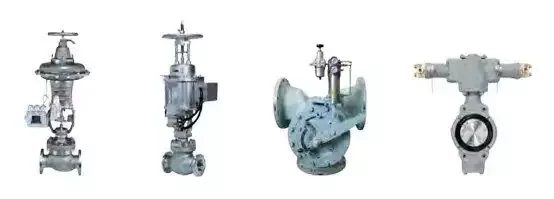
Valve data sheets on Saudi projects list body materials by ASTM grade, and those grades decide price, lead time and service life. Choosing too low a grade leads to corrosion or cracking; choosing too high a grade wastes money and can introduce new risks, such as chloride cracking in the wrong stainless steel.
Common body materials
| Material (typical grades) | Strengths | Typical use | Watch out for |
|---|---|---|---|
| Grey cast iron | Low cost, easy to cast | Low-pressure water and HVAC | Brittle; not for hydrocarbons, significant steam pressure or shock loads |
| Ductile iron (e.g. ASTM A536, EN-GJS-400) | Much tougher than grey iron | Water transmission, firewater, utilities | Temperature and pressure limits; not usually accepted for hydrocarbons |
| Carbon steel (A216 WCB cast, A105 forged) | Strong, weldable, economical | Hydrocarbons, steam, general process | Corrosion in water and acids; brittleness at low temperature |
| Low-temperature carbon steel (A352 LCB/LCC, A350 LF2) | Impact-tested toughness, typically to about -46 °C | Cold services and depressurisation cases | Must be specified where blowdown cooling can occur |
| Chrome-moly alloy steels (A217 WC6, WC9, C12A) | Creep strength at high temperature | High-pressure, high-temperature steam | Welding and heat treatment requirements |
| Austenitic stainless (A351 CF8M) | Corrosion resistance, toughness at low temperature | Chemicals, cryogenic and clean services | Chloride stress corrosion cracking in warm chloride water |
| Duplex and super duplex (A995 4A, 5A, 6A) | High strength and chloride resistance | Seawater, produced water, brine | Temperature limits; welding control |
Sour service
Wetted parts in sour service, where H2S is present, must meet ISO 15156 (NACE MR0175) hardness and material limits to avoid sulphide stress cracking. Most Saudi upstream and gas plant specifications require it, and the valve certificates must state compliance.
Seawater and brine
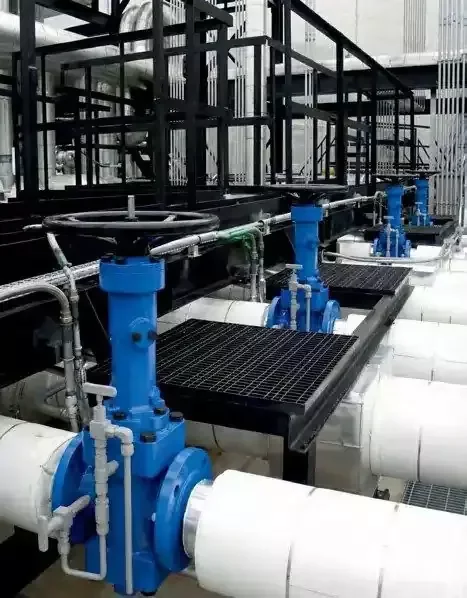
Seawater valves need materials or linings that resist chloride pitting and crevice corrosion. Common choices are rubber-lined or coated ductile iron bodies with duplex, super duplex or nickel-aluminium bronze discs, as discussed in seawater butterfly valves. Ordinary 316 stainless steel is prone to crevice corrosion in warm, stagnant seawater.
Trim and seat materials
The body is only part of the choice. Trim, seats and stems are often in higher alloys or hard-faced to resist wear and erosion, and soft seats are chosen for chemical compatibility and temperature. Specify trim separately on the data sheet, using API trim numbers where API valve standards apply, and name the seat test standard as explained in valve seat leakage classes.
KSB from BTGC
KSB supplies gate, globe, check and butterfly valves in iron, steel, stainless and special materials for water, power and industry. BTGC is a KSB partner in Saudi Arabia for industrial valves. See also gate, globe or butterfly and the flow control and valves page.
Questions buyers ask
Can ductile iron valves be used on hydrocarbon lines? Usually not; most oil, gas and petrochemical specifications require steel valves for hydrocarbons. Ductile iron is common on water and utility lines.
Why does a stainless valve corrode in seawater? Standard austenitic stainless steels can suffer pitting and crevice corrosion in warm chloride water; duplex grades or lined valves are safer.
Which documents prove the material? Material test certificates to EN 10204 3.1, or 3.2 if specified, with chemical analysis and mechanical test results for the body and pressure parts.
Contact the BTGC valve team
Email valves@btc-ksa.com or call +966 13 856 0528. Branches: Dammam, Jubail and Yanbu. Request a quote.