In short: two cranes with the same rated capacity can need very different components. A maintenance crane that lifts a full load a few times a year and a ladle crane that runs near capacity every shift are different machines. Crane duty classes in ISO 4301, FEM 1.001 and CMAA 70 combine how often a crane works with how heavy its loads are, and they decide the size and material of wheels, sheaves, hooks, gears and motors. BTGC supplies Gosan wheels, sheaves and hooks selected for the crane's real duty.
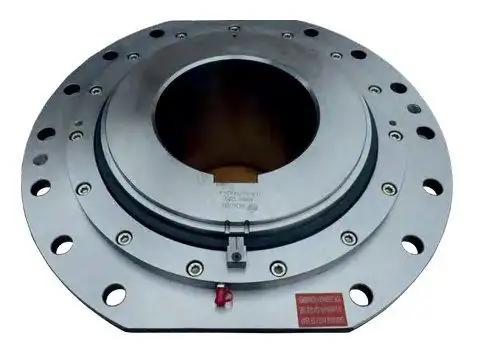
When crane components wear out faster than expected, the cause is often a mismatch between the duty class on paper and the way the crane is really used. A crane bought for occasional maintenance lifts becomes a production crane; a new process line doubles the lifts per hour. Understanding duty classification helps both when buying new cranes and when choosing replacement parts.
The two ingredients: how often and how heavy
Every duty classification combines a usage measure, such as the total number of load cycles over the design life or the hours of operation, with a load spectrum that describes how close the loads are to the rated capacity. A crane that often lifts near its rated load at high frequency sits in the highest classes.
| System | Classes | Basis |
|---|---|---|
| ISO 4301-1 | A1 to A8 for the crane; M1 to M8 for mechanisms | Utilisation class (number of cycles) and load spectrum class |
| FEM 1.001 | Crane groups A1 to A8; mechanism groups such as 1Bm to 5m | Similar principles to ISO; widely used with European cranes |
| CMAA 70 (overhead travelling cranes) | Classes A (standby) to F (continuous severe service) | Load spectrum and number of cycles; common on US-specified projects |
Typical examples
| Application | Typical class (indicative) |
|---|---|
| Power station turbine hall maintenance crane | Low: CMAA A or B, ISO A1 to A3 |
| General workshop or warehouse | CMAA C, ISO A3 to A5 |
| Steel stockyard, magnet or grab cranes | CMAA D to E, ISO A6 to A7 |
| Ladle and melt shop cranes, continuous process cranes | CMAA F, ISO A7 to A8, with extra rules for molten metal |
| Port container and bulk handling cranes | High classes, often A7 to A8 |
These are indicative only; the class of a specific crane comes from its actual load spectrum and cycle count.
How the class drives component selection
Wheels. Wheel diameter and hardness are chosen from wheel load, speed and duty; a higher class needs a larger or harder wheel for the same load. See crane wheel wear.
Sheaves and drums. The ratio of sheave diameter to rope diameter rises with class to protect rope life, as explained in crane sheaves and wire rope life.
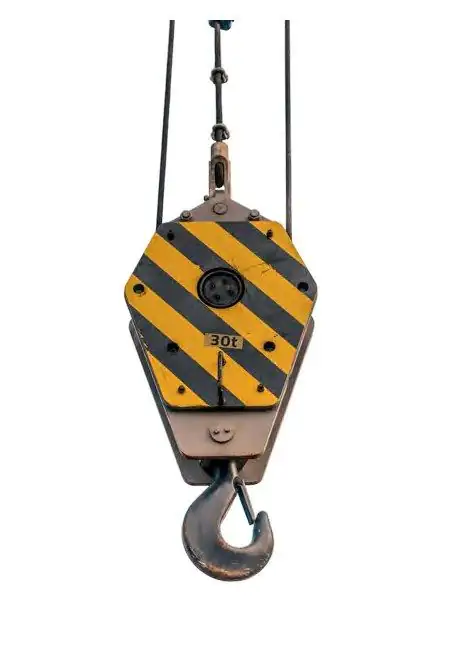
Hooks. Hooks are selected by capacity and mechanism group; ladle cranes use laminated hooks designed for heat and severe duty, see laminated ladle hooks.
Gears, bearings and motors. Gearbox service factors, bearing life and motor duty ratings all follow the mechanism class.
When the duty changes
If a crane's use increases, review its class before the next overhaul. Upgrading wheels, sheaves and hooks to suit the new duty is often cheaper than repeated failures, but the structure and mechanisms must also be checked by a competent engineer. Record lifts and loads where possible; modern crane controls and load monitors make this easy.
Gosan from BTGC
Gosan manufactures forged crane wheels, sheaves, hook blocks and laminated hooks for crane makers and heavy industry. BTGC is the Gosan partner in Saudi Arabia. See also crane hook inspection and the mining and material handling page.
Questions buyers ask
Where do we find our crane's duty class? On the crane maker's data sheet or nameplate, or in the original specification; if it is missing, an engineer can assess it from the crane's use.
Can we fit heavier-duty wheels to an existing crane? Often yes, if the end carriage, bearings and rail suit them; BTGC and Gosan check dimensions and loads first.
Does a higher class mean a higher rated capacity? No. The class describes how hard the crane works, not how much it can lift.
Contact BTGC
Email info@btc-ksa.com or call +966 13 856 0528. Branches: Dammam, Jubail and Yanbu. Request a quote.