In short: three common ways to protect steel from abrasion are weld hardfacing applied on site, chromium carbide overlay plate cut and fitted as liners, and bimetallic parts that bond a solid white iron wear face to a weldable steel backing. Hardfacing is flexible but thin, overlay plate covers large flat areas, and bimetallic bars, buttons and tips put the thickest, hardest material at the points of highest wear. Many plants use all three. BTGC supplies Bimat bimetallic wear parts.
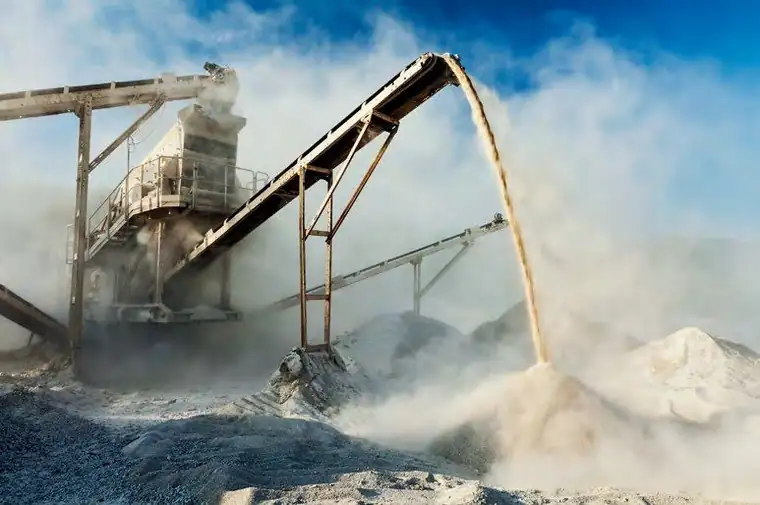
Buckets, chutes, crusher hammers and hoppers in mines, cement plants and bulk terminals wear from sliding and impact abrasion. Choosing the right protection for each zone cuts downtime and welding hours.
How they compare
| Method | Strengths | Limits |
|---|---|---|
| Weld hardfacing | Applied in place, any shape, rebuilds worn parts | Thin layers, cracking risk, depends on welder skill and time |
| Overlay plate (chromium carbide on steel) | Covers large areas, easy to cut and form | Limited wear layer thickness; edges and joints wear first |
| Bimetallic white iron parts | Thick, very hard wear face welded on through a steel backing | Set shapes and sizes; the hard face needs care under heavy direct impact |
| Quenched and tempered plate | Tough and impact resistant | Lower abrasion resistance than white iron or carbides |
Matching protection to the zone
Sliding abrasion in chutes and hoppers: overlay plate or grids of bimetallic wear bars.
Bucket lips, corners and heels: bimetallic bars and buttons with tough plate behind.
Crusher and mill hammers: bimetallic hammer tips or hardfacing, depending on the material crushed.
Small worn areas and odd shapes: hardfacing as a repair.
Practical tips
Weld bimetallic parts only through the steel backing, following the supplier's procedure; never weld on the white iron face.
Space wear bars so fines pack between them and protect the base plate.
Measure and record wear to set change intervals; see wear measurement and planning.
Compare cost per tonne handled, not price per kilogram.
Bimat from BTGC
Bimat supplies bimetallic chocky bars, wear bars, buttons, plates and hammer tips. BTGC supplies Bimat wear parts in Saudi Arabia for mining, cement and bulk handling. See also bimetallic parts for buckets and chutes, cement plant wear protection and the mining and minerals sector page.
Questions buyers ask
Can bimetallic parts be cut to size? The white iron face is very hard, so standard sizes are chosen to fit; check the range with BTGC.
Is hardfacing cheaper? Material can cost less, but labour, downtime and shorter life often make it dearer per tonne.
Which lasts longest in sliding abrasion? Thick, hard white iron faces usually outlast thinner overlays.
Contact BTGC
Email info@btc-ksa.com or call +966 13 856 0528. Branches: Dammam, Jubail and Yanbu. Request a quote.