In short: large trunnion ball valves on oil and gas pipelines can sit in one position for years, yet must operate and seal on demand. Regular cycling, body bleed checks of seat integrity, correct cavity relief, careful use of seat flushing and sealant, and actuator checks keep them ready. Over-injection of sealant and neglecting idle valves are common causes of trouble. BTGC supplies KPC pipeline ball valves and supports their maintenance.
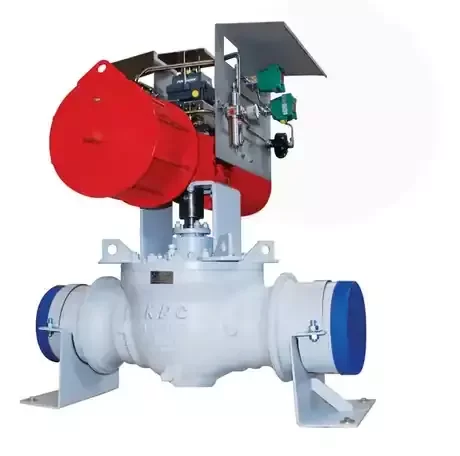
Gas transmission lines, crude and product pipelines, GOSPs and terminals in the Kingdom have thousands of buried and above-ground ball valves, many in remote locations.
Routine maintenance tasks
| Task | Purpose |
|---|---|
| Partial or full cycling | Prevents sticking and confirms operation |
| Body bleed check | Confirms upstream and downstream seats are sealing |
| Cavity relief check | Prevents overpressure from trapped fluid |
| Seat flushing | Removes debris from seat areas |
| Stem packing check | Stops leaks to atmosphere |
| Actuator inspection | Confirms power, controls and travel stops |
Using sealant correctly
Flush seats with valve cleaner before adding sealant.
Use sealant only to restore a leaking seat temporarily, not as routine filling.
Inject in small amounts and check results; over-injection can block seats and cavities.
Use sealants suited to the fluid and temperature.
Record each injection so repeat leakers are planned for repair.
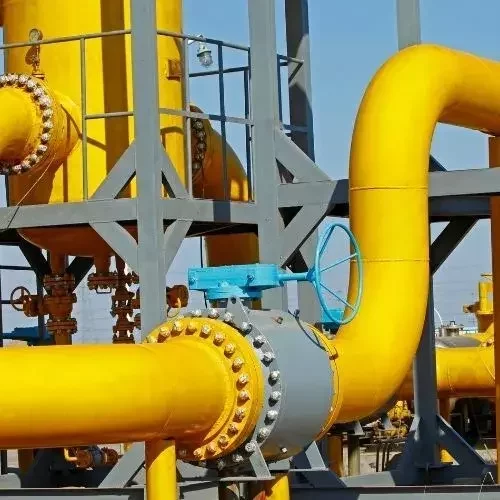
When to plan a repair
Seats still leak after cleaning and limited sealant.
Torque rises steadily or the valve does not reach full travel.
Stem leaks continue after packing adjustment.
Body or bonnet seals leak.
Use trends from body bleed checks to set priorities; see DBB and DIB seats.
KPC from BTGC
KPC Corporation of Korea supplies trunnion-mounted ball valves up to 60 inch, through-conduit gate valves and subsea valves for oil and gas transmission. BTGC is the KPC partner in Saudi Arabia, with valve testing and repair at the Jubail service center. See also gas transmission pipeline valves, actuator sizing and the oil and gas sector page.
Questions buyers ask
How often should pipeline valves be cycled? Many operators cycle or partially stroke them at least once or twice a year, per their procedures.
Is sealant a permanent fix for seat leakage? No, it is a temporary measure until the valve can be repaired.
Can BTGC repair large ball valves? Yes, at the Jubail service center, with KPC parts.
Contact the BTGC valve team
Email valves@btc-ksa.com or call +966 13 856 0528. Branches: Dammam, Jubail and Yanbu. Request a quote.