In short: heavy plate for pipes, tanks, ships and structures must meet tight thickness, flatness and size tolerances. Non-contact gauges measure thickness across and along every plate, while cameras and laser systems measure width, length, contour and flatness. With full plate maps the mill can control rolling, plan cutting with less trim and prove quality to customers. BTGC supplies IMS Messsysteme measuring systems for metals plants.
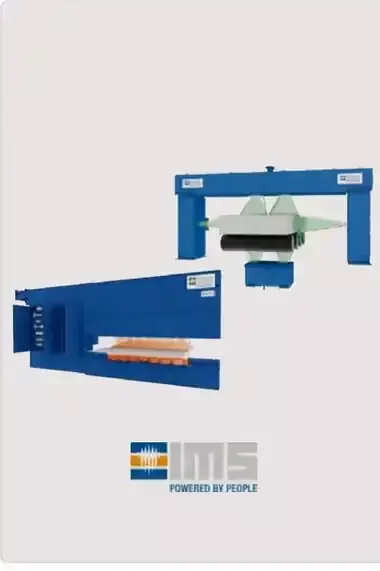
Saudi steel producers supply plate to pipe mills, tank builders and construction projects, where thickness and flatness are written into every order.
What is measured
| Measurement | How | Why it matters |
|---|---|---|
| Thickness | X-ray or isotope gauges, across and along the plate | Control of rolling and proof of tolerance |
| Width and contour | Cameras or laser scanners over the table | Plan cutting with less side trim |
| Length | Non-contact length and speed sensors | Exact cut lengths and yield |
| Flatness | Laser or light-section systems | Find waves and bows before leveling and shipping |
| Temperature | Pyrometers | Link quality to the rolling temperature |
Using the data
Feed thickness back to the mill model to tighten tolerances on the next passes and plates.
Use the contour map to optimise cutting plans and reduce scrap.
Send flatness results to the leveller for correction.
Store a full measurement record per plate for customer certificates and claims.

Practical points
Place gauges where scale, water and steam are controlled, or protect them with air purges and shields.
Check calibration with reference samples on a schedule.
Follow radiation rules for X-ray and isotope gauges; see radiation safety for gauges.
Plan spare detectors and sources for critical gauges.
IMS Messsysteme from BTGC
IMS Messsysteme makes non-contact measuring systems for steel, aluminium and non-ferrous plants, including thickness gauges for strip and plate and flatness and profile systems. BTGC supplies IMS in Saudi Arabia with spare parts and service coordination. See also thickness gauges, profile and flatness measurement and the metals and steel sector page.
Questions buyers ask
X-ray or isotope for plate? Both are used; the choice depends on thickness range, speed and local licensing.
Can an older mill add flatness measurement? Usually yes, with a measuring frame over the table after the mill or leveller.
Does BTGC support calibration? BTGC coordinates calibration and service with IMS.
Contact BTGC
Email info@btc-ksa.com or call +966 13 856 0528. Branches: Dammam, Jubail and Yanbu. Request a quote.