In short: many rolling mills in the region still run on measurement systems installed when the mill was built. Obsolete electronics, analogue signals, missing spares and drifting sensors limit gauge and flatness control and make every failure a long stop. A staged modernisation (new electronics and digital links first, then sensors where they limit quality, then added measurements such as laser speed) delivers most of the benefit without rebuilding the mill. BTGC supplies Kelk roll force, tension and speed measurement systems and supports upgrade planning.
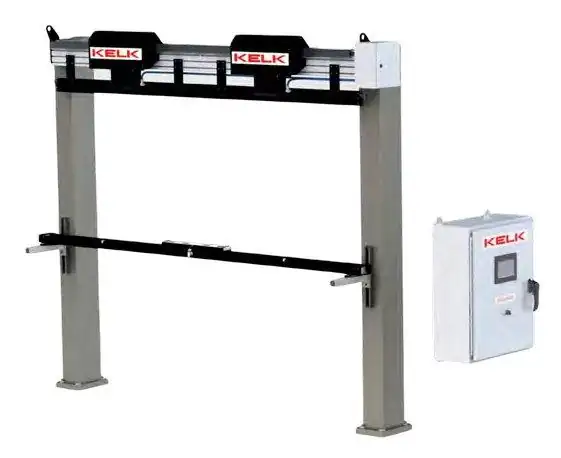
A mill's mechanical equipment can last decades. Its measurement and control electronics usually cannot: components go out of production, analogue amplifiers drift, and the people who understood the original system retire. When the mill's automation is upgraded, the measurements it depends on often become the weak link.
Signs a mill's measurements need attention
Spares for amplifiers or transmitters are no longer available, or only second-hand.
Frequent recalibration or unexplained zero shifts on load cells and tensiometers.
Gauge and flatness performance below what the automation system should deliver.
Analogue signals picking up noise from drives and cables.
No measurement data reaching the plant historian for analysis.
A staged approach
| Stage | What changes | Benefit |
|---|---|---|
| 1. Electronics and signals | Replace obsolete amplifiers and transmitters with current electronics; move to digital links where the automation supports them | Spares, stability, less noise, diagnostics for maintenance |
| 2. Sensors that limit quality | Replace damaged or obsolete load cells and tensiometer rolls at critical positions | Restored accuracy where it matters most |
| 3. Added measurements | Add laser speed measurement, extra tension points or other measurements the original design lacked | Better mass flow, gauge and yield control |
| 4. Data use | Send measurement and diagnostic data to the historian and quality system | Faster troubleshooting and quality traceability |
Planning the upgrade
Survey every measurement point: sensor type, condition, electronics, signal path and spares status.
Rank points by their effect on product quality and on downtime risk.
Check mechanical fit: new load cells and tensiometer rolls should fit existing pockets and bearing blocks, or adapters are designed.
Plan installation and calibration into scheduled shutdowns, using the methods described in calibrating roll force and tension systems.
Train maintenance staff on the new electronics and diagnostics.
Combining with other upgrades
Measurement upgrades often accompany drive or automation upgrades. Planning them together avoids two shutdowns and lets the new control system be commissioned with accurate measurements from day one. Speed measurement options are described in non-contact length and speed measurement, and tension measurement in strip tension measurement.
Kelk from BTGC
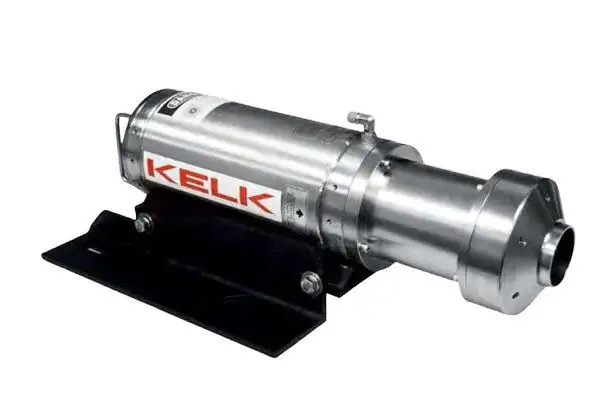
Kelk, part of Vishay Precision Group, supplies ROLLMAX roll force systems, TENSIOMETER strip tension systems, laser velocimeters and the related electronics for rolling mills. BTGC is the Kelk partner in Saudi Arabia. See also roll force load cells and the metals and steel sector page.
Questions buyers ask
Can new electronics work with our existing load cells? Often yes, if the load cells are in good condition and compatible; the survey confirms this point by point.
Do we need to replace the whole system at once? No. A staged upgrade spreads cost and shutdown time and starts with the points that matter most.
How long does an upgrade take on site? Electronics changes can often be made in a short stop; sensor replacements need a planned shutdown.
Contact BTGC
Email info@btc-ksa.com or call +966 13 856 0528. Branches: Dammam, Jubail and Yanbu. Request a quote.