In short: Gulf seawater is warm and salty, with chlorination added to stop fouling, which is a hard combination for heat exchanger materials. Titanium is the most corrosion-resistant choice, super duplex is strong and resistant at lower cost in many cases, and copper-nickel suits lower-velocity, well-controlled services. BTGC supplies Kelvion plate and shell and tube exchangers for Saudi coastal plants.
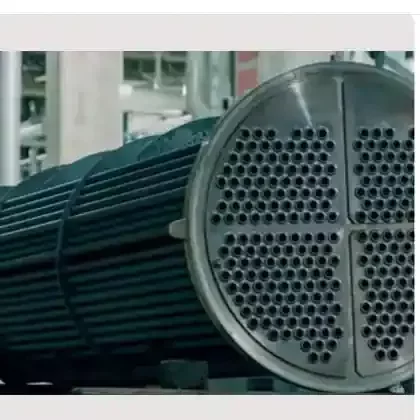
Coastal plants in Jubail, Ras Al Khair, Yanbu and Rabigh use seawater as their main heat sink. Gulf seawater can exceed 35 °C in summer with higher salinity than open oceans, and the cooling system adds hypochlorite to control marine growth. Those conditions shorten the life of materials that would last much longer elsewhere.
Material options
| Material | Strengths | Limits |
|---|---|---|
| Titanium (Grade 1 or 2) | Excellent resistance to seawater and chlorination; thin plates and tubes | Higher cost; galvanic effects on connected steel |
| Super duplex stainless | High strength, good chloride resistance | Temperature and chlorine limits must be respected |
| 6Mo austenitic stainless | Good chloride resistance in many cases | Crevice corrosion risk in warm, chlorinated water |
| Copper-nickel 90/10 or 70/30 | Resistant to biofouling, proven in condensers | Velocity limits; sensitive to sulphides and polluted water |
Plate or shell and tube?
Plate heat exchangers with titanium plates are compact and efficient for closed cooling loops with seawater on one side. Shell and tube units handle higher pressures, larger particles and dirtier water, and tubes can be plugged individually. The choice is covered in plate versus shell and tube.
Design points
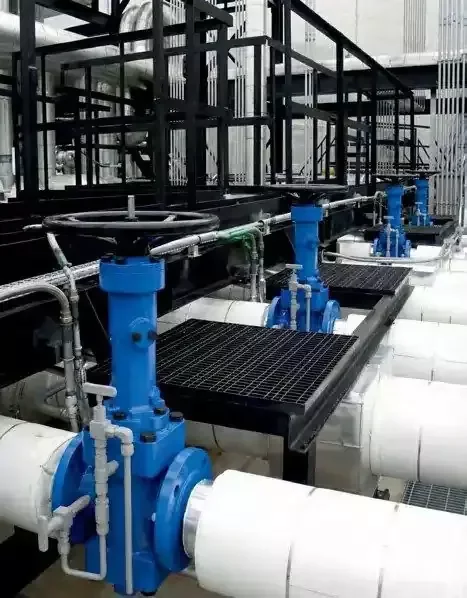
Keep seawater velocity in the range the material tolerates.
Filter or screen seawater upstream, as in passive intake screens.
Check gasket material for chlorination in plate exchangers.
Use isolation or coatings where dissimilar metals meet.
Kelvion from BTGC
Kelvion supplies plate heat exchangers, shell and tube exchangers and air coolers for industry and utilities. BTGC is the Kelvion partner in Saudi Arabia. See also air fin coolers and the petrochemicals sector page.
Questions buyers ask
Is titanium always the best choice? It is the most resistant, but super duplex or copper-nickel can be economical for the right velocity and water quality.
Can plate packs be upgraded to titanium? Often yes in the same frame; BTGC checks the frame rating and gasket design.
How do we avoid galvanic corrosion? Insulating flange kits, coatings or compatible material choices on connected piping.
Contact BTGC
Email info@btc-ksa.com or call +966 13 856 0528. Branches: Dammam, Jubail and Yanbu. Request a quote.