In short: an inspection and test plan (ITP) lists every check a valve passes from raw material to shipment, and marks which ones the buyer will witness, review or simply receive records for. A clear ITP agreed at order stage avoids late surprises, rejected valves and missing documents. For critical pipeline and process valves, witnessing pressure tests and reviewing material and NDE records at the factory is common practice. BTGC supplies ITAG valves made in Jubail, where buyers can witness tests locally.
Oil and gas, petrochemical and utility projects in the Kingdom often require factory inspection by the end user or a third party. Local manufacture makes witnessing faster and cheaper.
Typical ITP stages
| Stage | Examples |
|---|---|
| Materials | Mill certificates, chemical and mechanical tests, PMI |
| Manufacturing | Welding procedures, heat treatment, machining records |
| NDE | Radiography, ultrasonic, magnetic particle or dye penetrant |
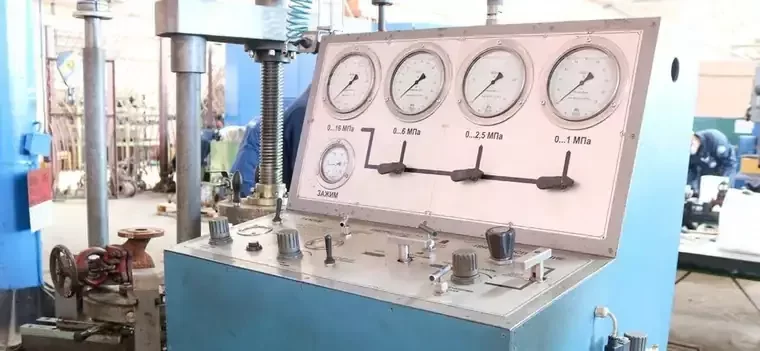
| Pressure tests | Shell, seat and backseat tests to API 598 or API 6D |
| Special tests | Fugitive emission, fire test, cryogenic or low temperature tests |
| Final | Dimensions, painting, marking, packing and documents |
Hold, witness and review points
Hold points: production stops until the inspector attends or waives.
Witness points: the inspector is invited but work may continue if absent.
Review points: records are checked without attendance.
Agree points per valve class and criticality, not one plan for every valve.
Confirm which type tests are accepted from qualification records rather than repeated.
Avoiding common problems
Agree the ITP and data book contents with the purchase order.
Give inspection notice periods that suit the factory schedule.
Check that test pressures and leakage criteria match the specification; see seat leakage classes.
Confirm fire and emission certificates cover the valve design and size range; see fire-safe and low-emission valves.
Keep the final data book with the valve tag for maintenance.
ITAG from BTGC
ITAG in Jubail manufactures high-pressure trunnion mounted ball valves and pipeline gate valves. BTGC is the ITAG partner in Saudi Arabia. See also Saudi-made pipeline valves, sour service valves and the oil and gas sector page.
Questions buyers ask
What is the difference between a hold and a witness point? Work stops at a hold point until released; at a witness point it can continue if the inspector does not attend.
Which standards cover valve pressure tests? API 598 for general valves and API 6D for pipeline valves are widely used.
Can buyers witness ITAG tests? Yes, at the factory in Jubail, arranged through BTGC.
Contact the BTGC valve team
Email valves@btc-ksa.com or call +966 13 856 0528. Branches: Dammam, Jubail and Yanbu. Request a quote.